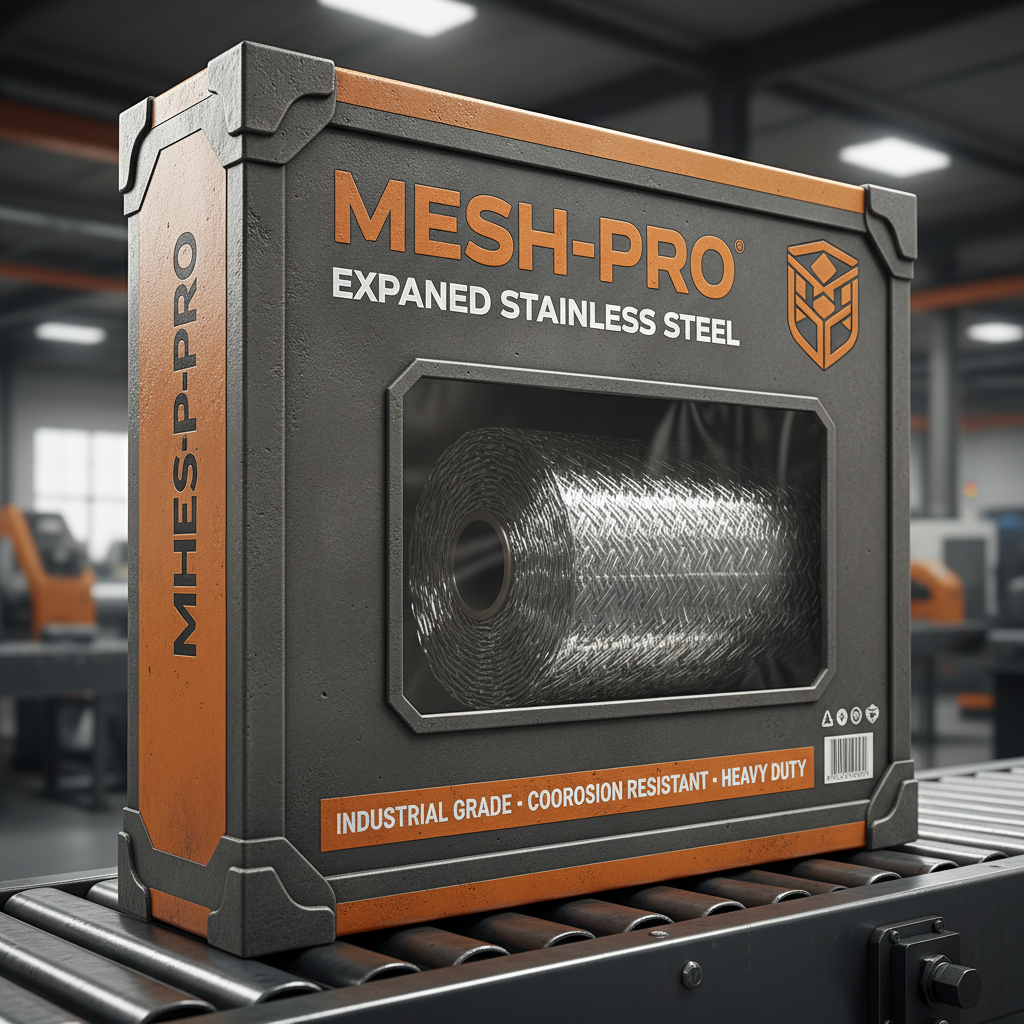
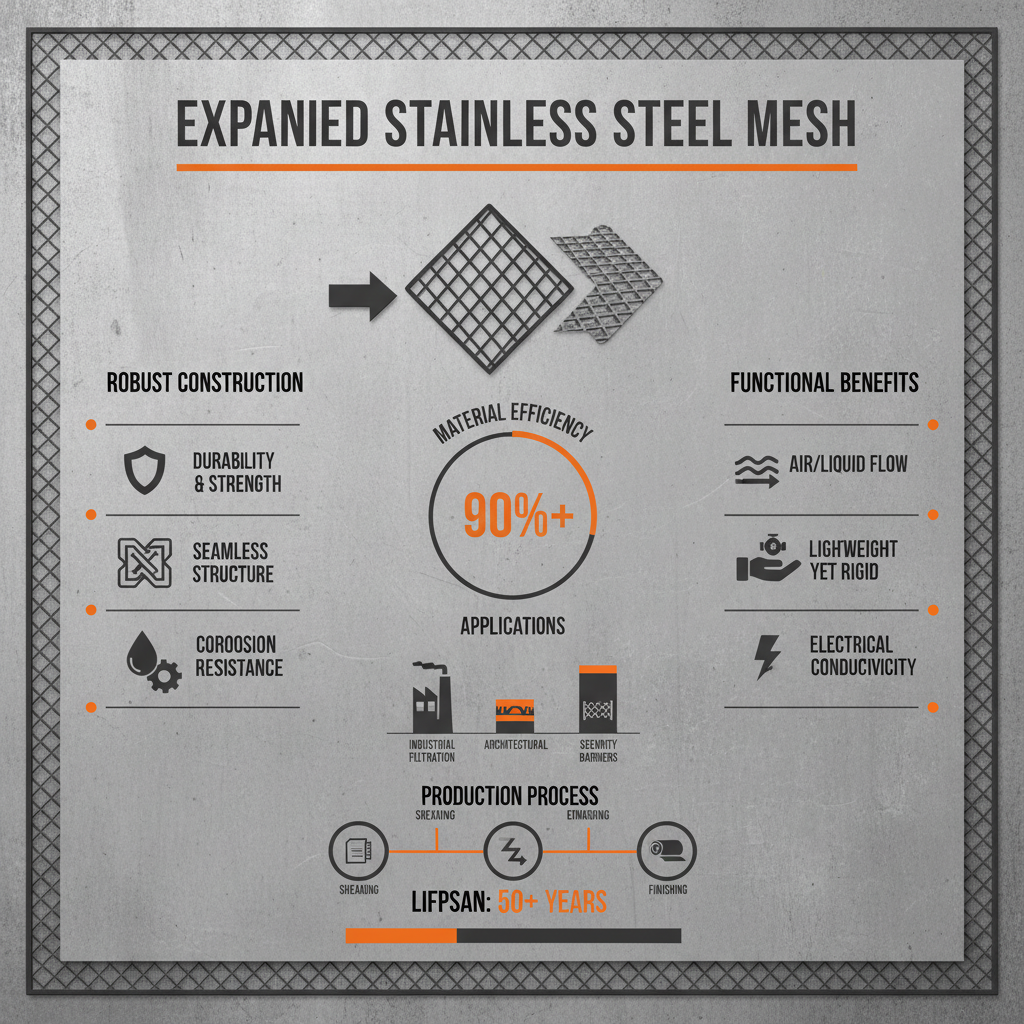
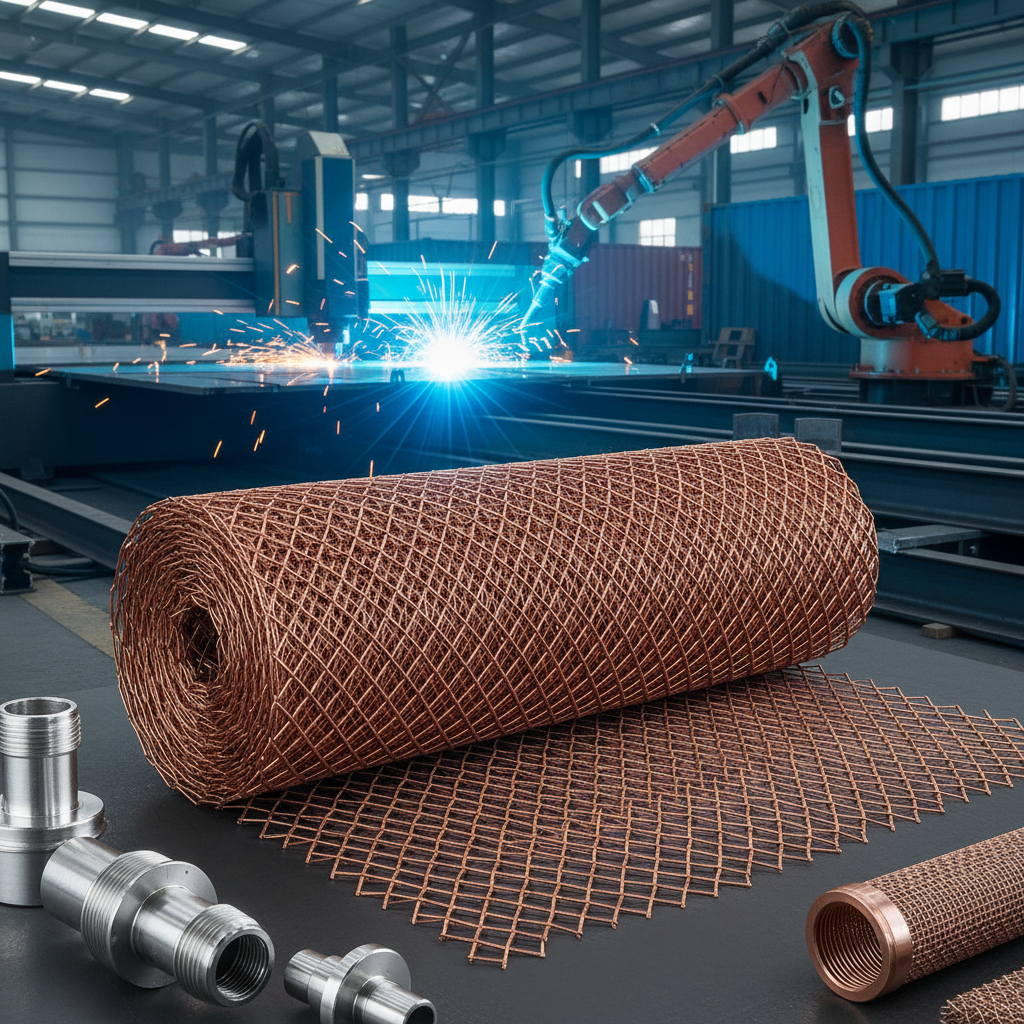
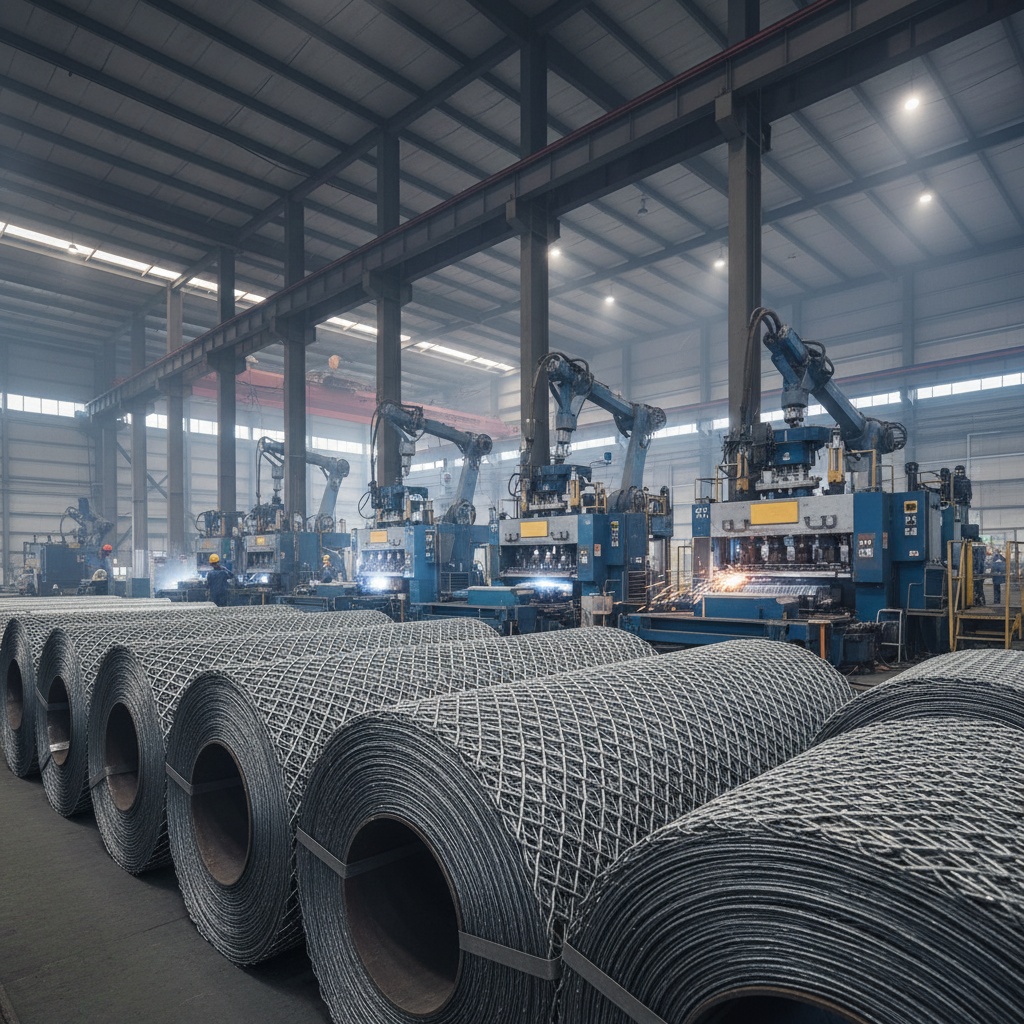
Expanded stainless steel mesh is a versatile material finding increasing application across diverse industries globally. Its unique properties, derived from the slitting and stretching of stainless steel sheets, create a robust and lightweight structure ideal for filtration, security, architectural features, and increasingly, rapid deployment solutions. Understanding its manufacturing processes, characteristics, and applications is crucial for engineers, architects, and disaster relief organizations alike. This material isn't merely a construction component; it represents a pragmatic and often life-saving solution in numerous critical scenarios.
The global demand for expanded stainless steel mesh is driven by factors such as rising industrialization, infrastructural development, and a growing need for effective security measures. According to recent market analyses, the expanded metal market, which includes stainless steel variants, is projected to grow at a compound annual growth rate (CAGR) of around 4-6% over the next decade. This growth is particularly significant in emerging economies where infrastructure projects are rapidly expanding. However, supply chain disruptions and fluctuations in raw material prices remain key challenges.
The relevance of expanded stainless steel mesh extends beyond purely economic factors. Its durability and corrosion resistance make it an environmentally sound choice for long-term applications, reducing the need for frequent replacements. Furthermore, its role in fast-deployment housing and infrastructure is becoming increasingly important in addressing humanitarian crises and providing shelter in disaster-stricken regions, making it a vital element in building resilient communities.
Introduction to expanded stainless steel mesh
Expanded stainless steel mesh, created through a unique slitting and stretching process, boasts an open, three-dimensional structure. This structure provides excellent strength-to-weight ratios and allows for the free flow of light, air, and liquids. Its versatility stems from the ability to customize the mesh pattern, strand width, and sheet thickness, tailoring it to specific application requirements.
The benefits of using expanded stainless steel mesh are numerous, ranging from cost-effectiveness in large-scale projects to superior corrosion resistance in harsh environments. It has replaced traditional materials in many cases, contributing to longer-lasting, more sustainable solutions. Applications span a wide range, including architectural facades, security fencing, filtration systems, and even specialized components in the aerospace industry.
Defining Expanded Stainless Steel Mesh
Expanded stainless steel mesh is manufactured from a solid sheet of stainless steel that is simultaneously slit and stretched. This process creates a diamond-shaped or otherwise patterned opening, resulting in a strong, lightweight mesh. Unlike woven wire mesh, expanded metal is produced in a single operation, preserving the metal’s integrity and eliminating the risk of unraveling. expanded stainless steel mesh is a single-piece material, maximizing its structural strength.
The definition also encompasses various grades of stainless steel, each offering different levels of corrosion resistance and mechanical properties. Common grades include 304, 316, and 316L. The choice of grade depends heavily on the intended application and the environmental conditions it will be exposed to. The resulting material is often used in applications where durability and hygiene are paramount.
Its connection to modern industry and humanitarian needs lies in its adaptable properties. In industrial settings, it provides robust filtration and support structures. In humanitarian contexts, it’s increasingly used in rapidly deployable shelters and water purification systems, delivering essential resources to those in need.
Core Characteristics of expanded stainless steel mesh
One of the most defining characteristics of expanded stainless steel mesh is its exceptional durability. Stainless steel's inherent corrosion resistance ensures a long service life, even in harsh environments. This resistance minimizes maintenance requirements and reduces lifecycle costs, making it a practical and economical choice for long-term applications. expanded stainless steel mesh performs under various conditions.
Scalability is another key feature. Expanded metal can be produced in a wide range of sheet sizes and patterns, adapting to diverse project requirements. This flexibility allows for efficient material utilization and minimizes waste during fabrication. Customization is easily achieved by adjusting the slitting and stretching parameters during the manufacturing process.
Cost-efficiency is often underestimated. While the initial material cost might be slightly higher than some alternatives, the extended lifespan and reduced maintenance translate to significant long-term savings. Furthermore, the ease of fabrication and installation contribute to lower overall project costs. The strength-to-weight ratio also reduces shipping and handling expenses.
Applications and Use Cases of expanded stainless steel mesh
Expanded stainless steel mesh finds widespread use in architectural applications, particularly as facade cladding, sunshades, and decorative elements. Its aesthetic appeal, combined with its durability, makes it a popular choice for modern building designs. It can also be integrated into flooring systems for slip resistance and drainage.
In the industrial sector, it serves as a crucial component in filtration systems, providing efficient separation of solids from liquids and gases. It’s also used in conveyor belts, safety guards, and soundproofing materials. The open structure allows for excellent airflow and visibility, enhancing operational efficiency and safety.
Notably, in post-disaster relief operations, expanded stainless steel mesh is increasingly employed in the construction of rapid-deployment shelters. Its lightweight nature and ease of assembly make it ideal for creating temporary housing solutions in emergency situations. Similarly, in remote industrial zones, it provides robust and reliable security fencing, protecting valuable assets and personnel.
Performance Metrics for Different expanded stainless steel mesh Manufacturing Methods
Advantages and Long-Term Value of expanded stainless steel mesh
The tangible benefits of utilizing expanded stainless steel mesh are substantial. Reduced life-cycle costs, stemming from its exceptional durability and minimal maintenance, present a significant economic advantage. The material's inherent strength also contributes to increased safety and security in various applications.
Beyond the financial gains, expanded stainless steel mesh offers considerable sustainability advantages. Its long lifespan minimizes waste, and its recyclability reduces its environmental impact. It provides solutions that align with green building initiatives and promote responsible resource management.
Future Trends in expanded stainless steel mesh
Emerging trends point towards the integration of expanded stainless steel mesh with smart materials and technologies. Research is underway to develop self-cleaning coatings and sensors embedded within the mesh structure for monitoring structural integrity and environmental conditions.
The demand for lightweight and high-strength materials in the aerospace and automotive industries is driving innovation in expanded metal manufacturing techniques. The development of new alloys with enhanced corrosion resistance and mechanical properties will further expand its application possibilities.
Challenges and Solutions in expanded stainless steel mesh Implementation
One common challenge is the initial cost, which can be higher than some alternative materials. However, a thorough lifecycle cost analysis often reveals the long-term economic benefits of expanded stainless steel mesh due to its durability and reduced maintenance.
Another hurdle is the potential for distortion during fabrication and installation. Employing experienced fabricators and utilizing appropriate installation techniques are crucial to mitigate this risk. Careful consideration of the mesh pattern and sheet thickness can also optimize its structural performance and minimize distortion.
Addressing these challenges requires collaboration between material suppliers, engineers, and fabricators to develop innovative solutions and best practices. Continuous research and development in manufacturing processes will also contribute to reducing costs and improving the overall efficiency of expanded stainless steel mesh implementation.
Analysis of Common Challenges and Corresponding Solutions for expanded stainless steel mesh Implementation
| Challenge |
Severity (1-10) |
Proposed Solution |
Implementation Cost (USD) |
| High Initial Material Cost |
7 |
Lifecycle Cost Analysis & Value Engineering |
500 - 1500 |
| Potential for Distortion During Fabrication |
6 |
Experienced Fabricators & Optimized Design |
1000 - 3000 |
| Corrosion in Highly Aggressive Environments |
8 |
Selection of Premium Stainless Steel Grades (e.g., 316L) |
2000 - 5000 |
| Limited Availability of Specialized Mesh Patterns |
5 |
Custom Manufacturing & Tooling Investment |
3000 - 10000 |
| Difficulties in Joining and Welding |
4 |
Specialized Welding Techniques & Expertise |
500 - 2000 |
| Supply Chain Disruptions & Lead Times |
7 |
Diversification of Suppliers & Strategic Inventory Management |
1000 - 4000 |
FAQS
Expanded stainless steel mesh offers several advantages over woven wire mesh, primarily due to its single-piece construction. This results in a stronger, more rigid structure that is less prone to unraveling and provides better load-bearing capacity. Additionally, the open structure of expanded metal allows for superior airflow and visibility. It generally requires less maintenance and has a longer lifespan, leading to reduced overall costs.
The stainless steel grade significantly impacts the mesh's corrosion resistance, strength, and cost. 304 stainless steel is a common and relatively affordable option suitable for general applications. 316 stainless steel offers improved corrosion resistance, particularly in chloride environments, making it ideal for coastal or marine applications. 316L is an even more corrosion-resistant option with lower carbon content, enhancing its weldability. Higher grades naturally come with a higher price tag.
Yes, expanded stainless steel mesh is highly customizable. Manufacturers can adjust parameters such as sheet thickness, strand width, long pitch, short pitch, and pattern to meet specific needs. Custom shapes and sizes can also be produced. This flexibility makes it suitable for a wide range of applications, from architectural facades to industrial filtration systems. Customization may impact lead times and costs.
Expanded stainless steel mesh is widely used in the construction industry for architectural cladding, sunshades, safety railings, and floor gratings. It provides a modern aesthetic appeal while offering durability, corrosion resistance, and structural support. It can also be used as a decorative element in interior design, creating unique visual effects.
Expanded stainless steel mesh can be joined using various methods, including welding, riveting, bolting, and clamping. Welding requires specialized techniques and expertise to ensure a strong and corrosion-resistant joint. Riveting and bolting are suitable for applications where welding is not feasible. Clamping provides a non-permanent connection that allows for easy disassembly and maintenance.
Stainless steel is a highly recyclable material, making expanded mesh an environmentally responsible choice. Its long lifespan reduces the need for frequent replacements, minimizing waste. Manufacturing processes generate some waste, but responsible manufacturers implement recycling programs to minimize their environmental impact. Choosing suppliers committed to sustainable practices is crucial.
Conclusion
Expanded stainless steel mesh offers a compelling combination of durability, versatility, and sustainability, making it a valuable material across a broad spectrum of industries. From architectural marvels to critical infrastructure components and life-saving disaster relief solutions, its unique properties consistently deliver long-term performance and cost-effectiveness. Its adaptability to custom designs and emerging technologies positions it as a key player in addressing future engineering challenges.
Looking ahead, continued innovation in manufacturing processes, alloy development, and integration with smart technologies will further unlock the potential of expanded stainless steel mesh. Investing in research and development and fostering collaboration between material suppliers, engineers, and end-users will be crucial to realizing its full benefits. For more information and to explore our range of expanded stainless steel mesh products, visit our website at www.ccwiremesh.com.