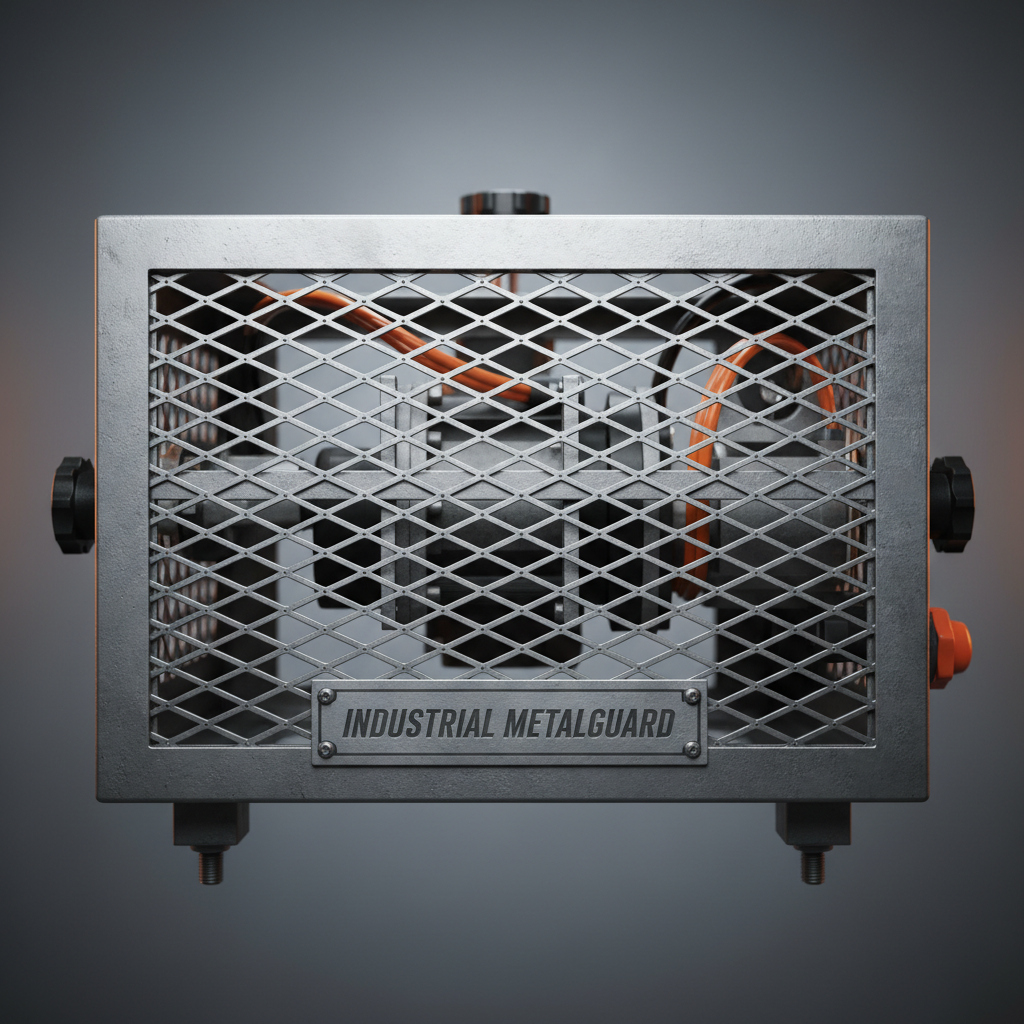
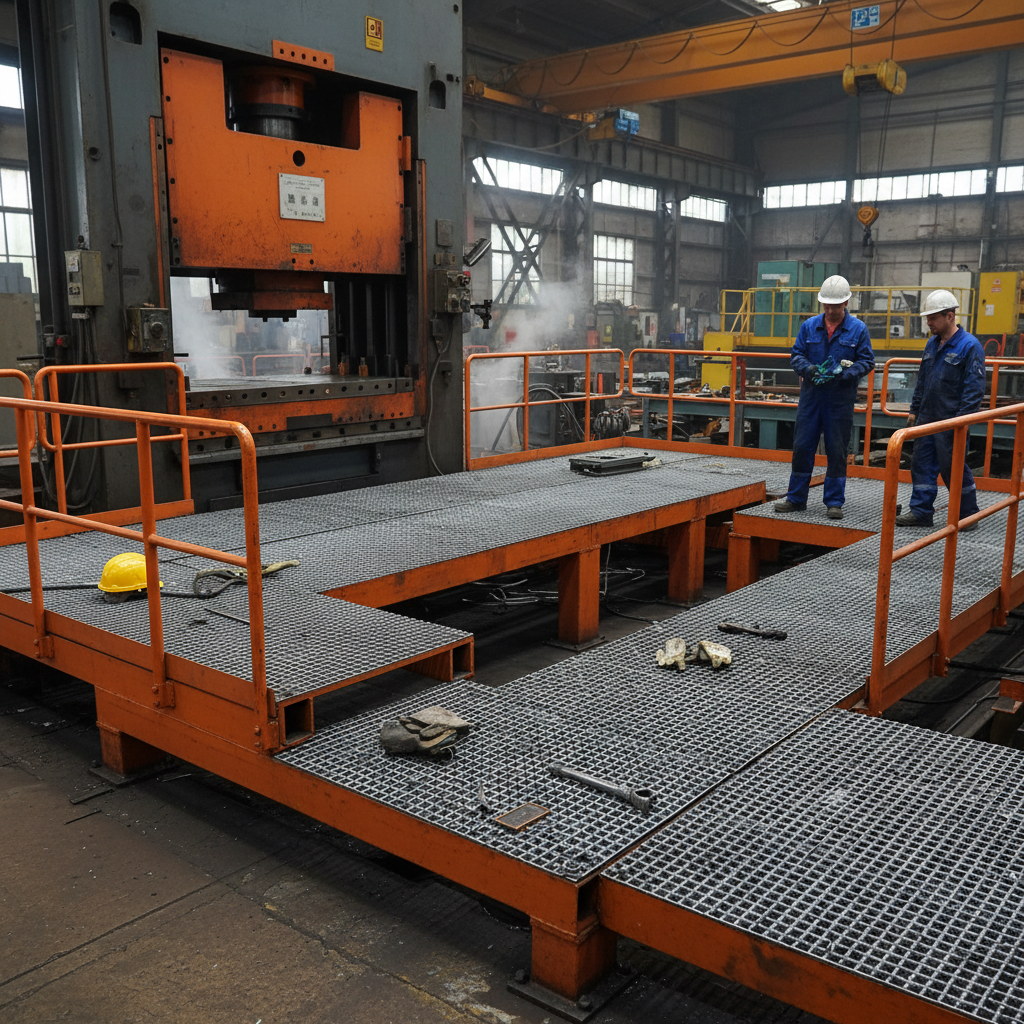
Raised expanded metal is a versatile engineering material finding increasing global application across diverse sectors. Its unique properties – lightweight strength, permeability, and aesthetic appeal – make it ideal for solutions ranging from architectural facades and safety grating to filtration systems and specialized industrial flooring. Understanding its characteristics and potential is crucial for architects, engineers, and manufacturers seeking innovative and cost-effective building and design options.
The demand for raised expanded metal is escalating, driven by a need for sustainable materials and efficient construction techniques. Global infrastructure development, particularly in emerging economies, contributes significantly to this growth. Furthermore, its inherent safety features and ability to customize designs are driving adoption in sectors prioritizing safety and aesthetic appeal. This rising demand necessitates a deeper understanding of its production methods, quality standards, and long-term performance.
This comprehensive guide explores the intricacies of raised expanded metal, examining its core components, global applications, advantages, future trends, and potential challenges. We aim to provide valuable insights for professionals and individuals seeking to leverage the unique benefits of this dynamic material, offering a foundation for informed decision-making and innovation.
Introduction to Raised Expanded Metal
Raised expanded metal differentiates itself from standard expanded metal through a unique manufacturing process that creates a three-dimensional, raised pattern. This elevation enhances its structural integrity, offering increased grip and load-bearing capacity. It’s commonly specified for applications demanding enhanced safety, drainage, or aesthetic appeal. raised expanded metal is frequently employed where minimizing weight while maximizing strength is essential.
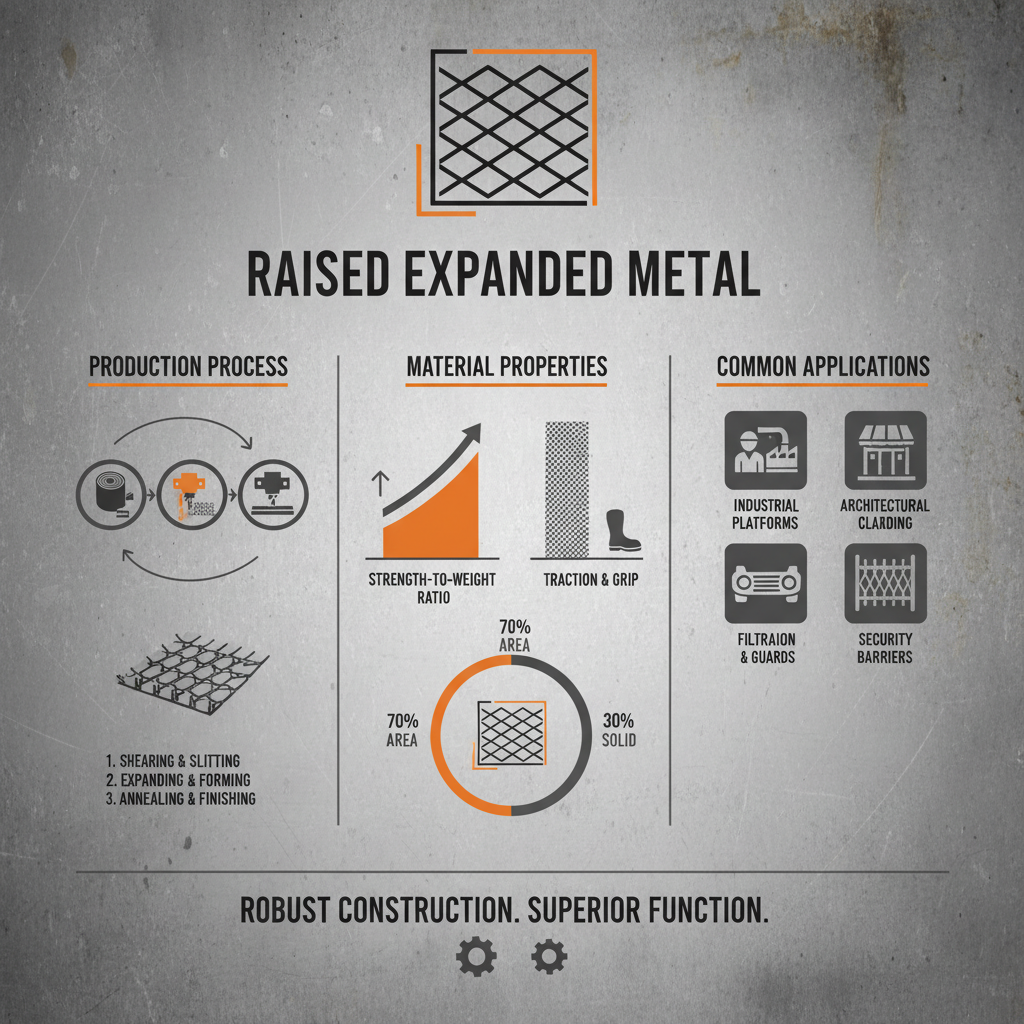
The manufacturing process involves slitting and stretching metal sheet, subsequently forming raised ridges and open spaces. This results in a material that is both strong and lightweight, offering excellent ventilation and visibility. Its inherent anti-slip properties make it an ideal choice for walkways, stair treads, and platforms, providing a secure surface even in challenging environments.
Global Relevance and Applications
The global demand for raised expanded metal is experiencing significant growth, closely linked to infrastructure development and industrial expansion, particularly in Asia-Pacific and emerging markets. According to recent industry reports, the global metal grating market (which includes raised expanded metal) is projected to reach \$XX billion by 20XX, with a CAGR of X.X% over the forecast period. This growth is fueled by increasing investments in transportation, construction, and energy infrastructure.
The material addresses critical challenges in these sectors, providing robust and durable solutions for safety, accessibility, and aesthetic considerations. From airport walkways and railway platforms to petrochemical plant flooring and architectural facades, the applications are broad and diverse. Furthermore, its resistance to corrosion and low maintenance requirements contribute to its long-term economic viability.
Increasingly, raised expanded metal is also finding applications in sustainable building practices, contributing to LEED certifications through its recyclability and energy-efficient properties. Its use in green building projects underscores its alignment with global sustainability goals and growing environmental awareness.
Defining Raised Expanded Metal
Raised expanded metal is a single-piece metal sheet that has been slit and then stretched, creating a uniform pattern of raised, interconnected ridges and open spaces. Unlike welded or fabricated grating, it maintains the metal’s inherent strength and integrity, eliminating weak points that could compromise structural performance. The 'raising' effect distinguishes it from standard expanded metal, providing increased rigidity and grip.
This construction technique results in a material that is exceptionally durable, capable of withstanding heavy loads and harsh environmental conditions. Its inherent permeability allows for the passage of light, air, and liquids, making it suitable for applications requiring ventilation or drainage. The consistent openings also make it a suitable filter medium in various industrial processes.
Its connection to modern industry lies in its ability to provide cost-effective, robust, and customizable solutions for a wide range of engineering challenges. From enhancing safety in industrial settings to creating aesthetically pleasing architectural features, raised expanded metal bridges the gap between functionality and design. Its adaptability contributes to humanitarian needs by providing robust and quickly deployable structural components for temporary shelters and disaster relief efforts.
Core Components and Characteristics
The core characteristics of raised expanded metal are directly tied to its manufacturing process and material composition. These include high strength-to-weight ratio, excellent load-bearing capacity, and inherent resistance to corrosion. The specific material used – typically carbon steel, stainless steel, or aluminum – dictates its performance in different environments.
Other key aspects include its non-slip surface, providing enhanced safety in pedestrian areas, and its customizable nature. The pattern, ridge height, and opening size can be tailored to meet specific application requirements. Additionally, the material’s permeability offers benefits in applications requiring ventilation, filtration, or drainage.
Raised Expanded Metal Performance Metrics
Real-World Applications
Across the globe, raised expanded metal finds diverse applications. In the transportation sector, it’s integral to airport walkways, railway platforms, and bridge decking, providing safe and durable pedestrian surfaces. Industrial facilities utilize it for flooring, stair treads, and safety guards, protecting personnel and equipment.
Architectural applications are increasingly common, with raised expanded metal used for facades, sunshades, and decorative screens, offering aesthetic appeal alongside functionality. In post-disaster relief operations, it can be quickly deployed as temporary flooring and shelter components, offering a robust and reliable solution in crisis situations.
Advantages and Long-Term Value
The advantages of using raised expanded metal are multifaceted. Firstly, its inherent strength and durability translate to lower lifecycle costs, reducing the need for frequent repairs or replacements. Secondly, its open structure facilitates airflow and drainage, minimizing maintenance requirements and preventing the buildup of debris.
Its sustainability profile is also compelling. The material is often produced from recycled content and is fully recyclable at the end of its lifespan. Furthermore, the inherent safety features – non-slip surface and robust construction – contribute to a safer working environment, reducing the risk of accidents and injuries. raised expanded metal offers a blend of economic, environmental, and social benefits.
Future Trends and Innovations
The future of raised expanded metal is linked to advancements in materials science and manufacturing technologies. The development of high-strength, lightweight alloys will further enhance its performance characteristics, expanding its applications in aerospace and automotive industries. Automation in the manufacturing process promises increased efficiency and reduced production costs.
Integration with smart technologies, such as embedded sensors for structural health monitoring, is another emerging trend. These sensors can provide real-time data on stress levels, corrosion, and other critical parameters, enabling proactive maintenance and extending the lifespan of the material. The increased focus on sustainable construction will also drive demand for eco-friendly materials like raised expanded metal.
Furthermore, research into innovative surface treatments – such as self-cleaning coatings and anti-corrosion technologies – will enhance its durability and expand its suitability for challenging environments. The intersection of digital fabrication and raised expanded metal presents exciting opportunities for creating customized and optimized designs.
FAQS
The primary difference lies in the manufacturing process. Raised expanded metal undergoes an additional process that elevates the ridges, enhancing its strength, grip, and load-bearing capacity. Standard expanded metal is simply slit and stretched, resulting in a flatter profile. This ‘raising’ effect makes the former preferable for applications requiring increased safety and structural integrity.
Raised expanded metal is commonly manufactured from carbon steel, stainless steel, and aluminum. Carbon steel is cost-effective and suitable for general applications. Stainless steel offers superior corrosion resistance, making it ideal for harsh environments. Aluminum provides a lightweight solution with excellent corrosion resistance. The choice of material depends on the specific application and environmental factors.
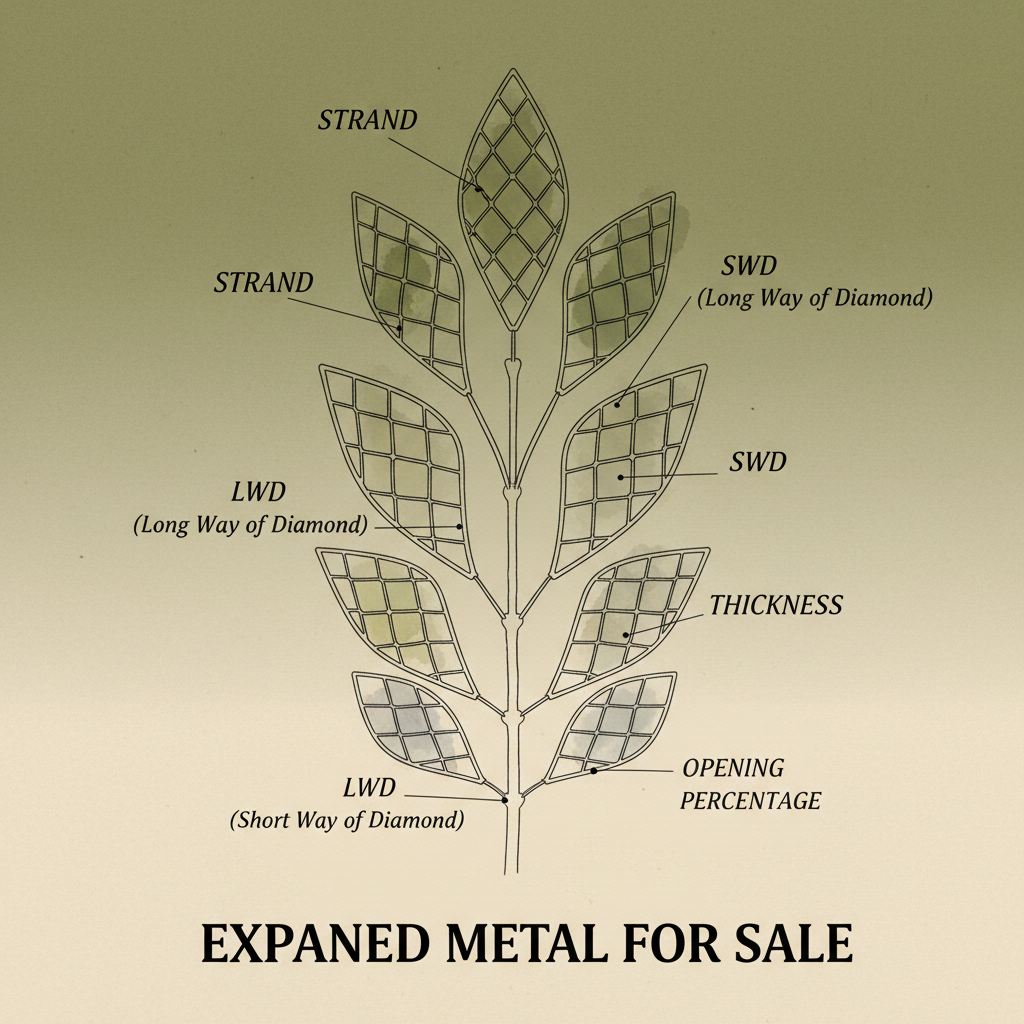
The pattern—specifically the strand width, short pitch, and long pitch—significantly impacts the material's performance. A narrower strand width and short pitch increase the density of the mesh, enhancing its load-bearing capacity and providing a finer surface for filtration. Conversely, wider strands and longer pitches offer greater ventilation and visibility.
In industrial settings, raised expanded metal is frequently used for flooring, stair treads, walkways, safety guards, and ventilation screens. Its strength, durability, and non-slip surface make it ideal for protecting personnel and equipment. Its open structure also facilitates airflow and drainage, reducing maintenance requirements.
Yes, raised expanded metal is generally considered environmentally friendly. It is often produced from recycled materials, and it is fully recyclable at the end of its lifespan. Furthermore, its durability reduces the need for frequent replacements, minimizing waste. Its inherent energy efficiency—facilitating airflow and reducing lighting needs—also contributes to its sustainability profile.
The lifespan of raised expanded metal installations varies depending on the material used and the environmental conditions. However, with proper maintenance, installations can easily last for several decades. Stainless steel installations, in particular, can withstand harsh environments for 50 years or more. Regular cleaning and inspection are crucial for maximizing lifespan.
Conclusion
Raised expanded metal represents a robust, versatile, and increasingly sustainable solution for a wide range of engineering and architectural challenges. Its unique properties—high strength-to-weight ratio, inherent durability, and customizable nature—make it an ideal material for applications spanning transportation, construction, industrial facilities, and disaster relief. Understanding its core characteristics and potential applications is crucial for professionals seeking innovative and cost-effective design solutions.
Looking ahead, advancements in materials science, manufacturing technologies, and smart technologies promise to further enhance the performance and functionality of raised expanded metal. The increasing focus on sustainability and resilience will drive demand for this material, solidifying its position as a vital component in the built environment. To explore the full potential of raised expanded metal for your next project, visit our website: www.ccwiremesh.com.