0%

Table of Contents

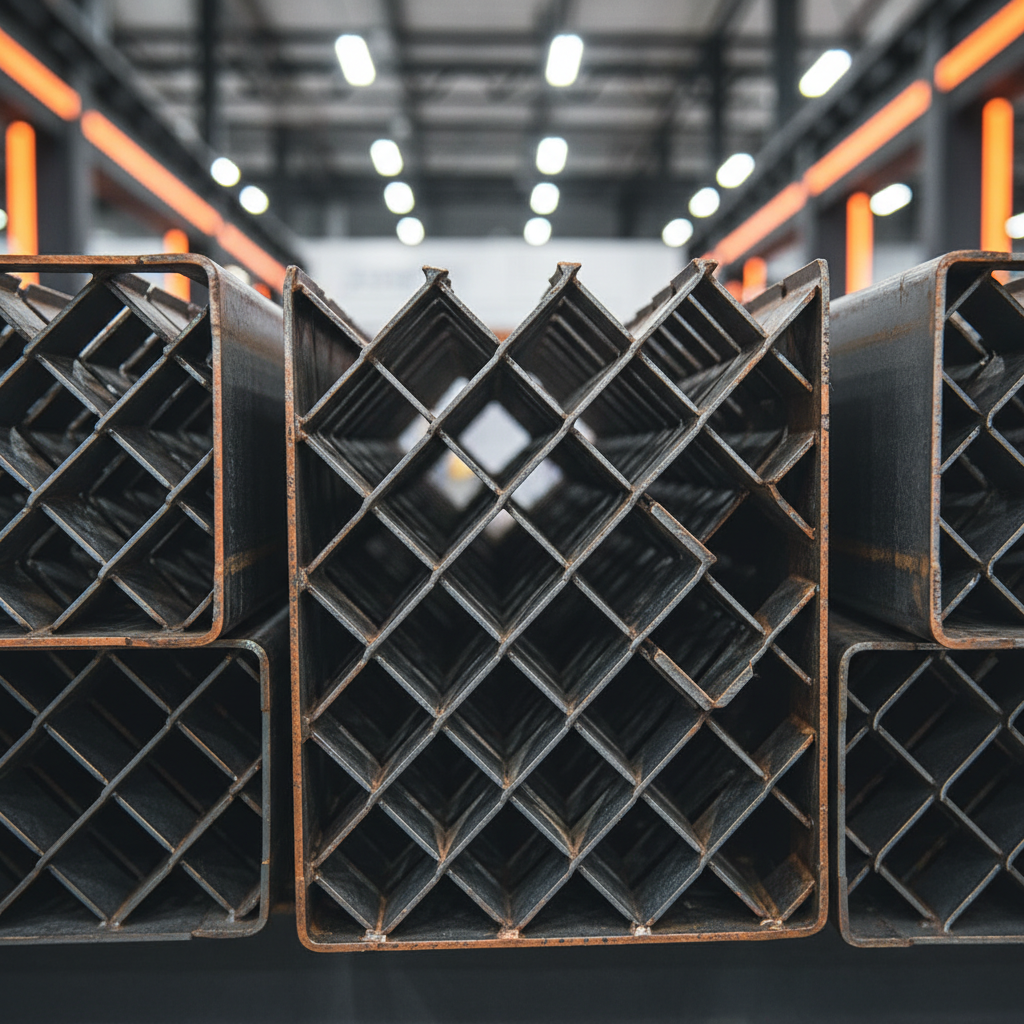
Expanded steel sheet is a versatile construction material created by slitting and stretching a metal sheet, resulting in a diamond-shaped pattern. Its unique properties – strength, durability, and open-grid design – make it essential in diverse applications, from architectural facades and safety grating to reinforcing concrete and creating secure enclosures. Understanding expanded steel sheet’s manufacturing, characteristics, and uses is crucial for engineers, architects, and procurement professionals worldwide.

Globally, the demand for expanded steel sheet is driven by infrastructure development, industrial growth, and safety regulations. According to reports from the World Steel Association, steel consumption continues to rise, particularly in emerging economies, indicating a sustained need for materials like expanded steel. The material’s ability to provide robust security solutions, combined with its cost-effectiveness, makes it a preferred choice in regions with heightened security concerns.

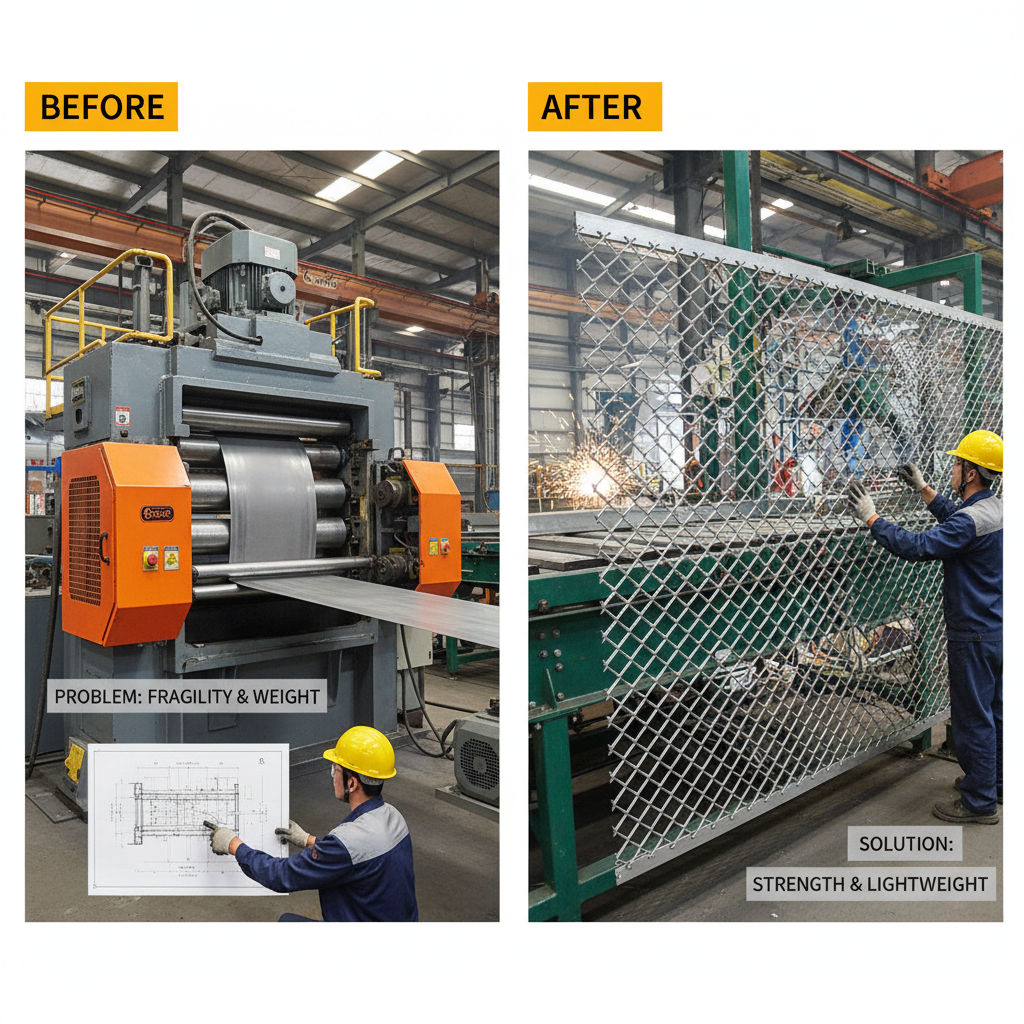
Expanded steel sheet addresses challenges like the need for strong, lightweight materials, the desire for non-slip surfaces, and the demand for cost-effective security measures. From bolstering infrastructure projects to creating safer public spaces, it is a critical component in modern construction and industrial applications. Its increasing adoption demonstrates its importance in a rapidly evolving global landscape.
Understanding Expanded Steel Sheet Applications and Global Market Trends

Introduction to expanded steel sheet

Understanding Expanded Steel Sheet Applications and Global Market Trends

Expanded steel sheet is distinguished by its unique manufacturing process, which doesn't involve welding or assembling separate parts, contributing to its inherent structural integrity. This single-piece construction minimizes potential failure points, making it incredibly reliable in demanding environments.

The open grid pattern of expanded steel sheet allows for excellent airflow and visibility. This characteristic is particularly valuable in applications requiring ventilation, such as walkways, platforms, and security fencing. Its lightweight nature, compared to solid steel, further enhances its versatility and ease of installation.

Defining expanded steel sheet

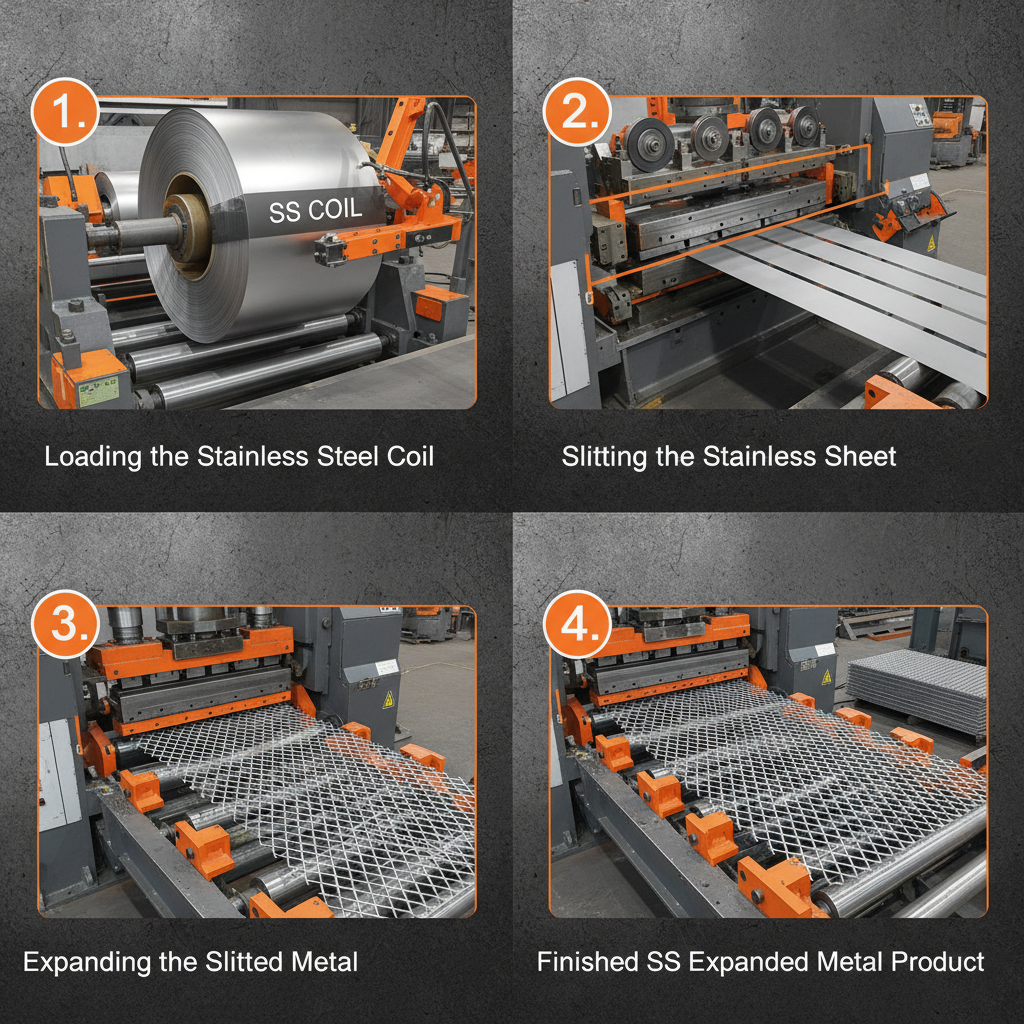
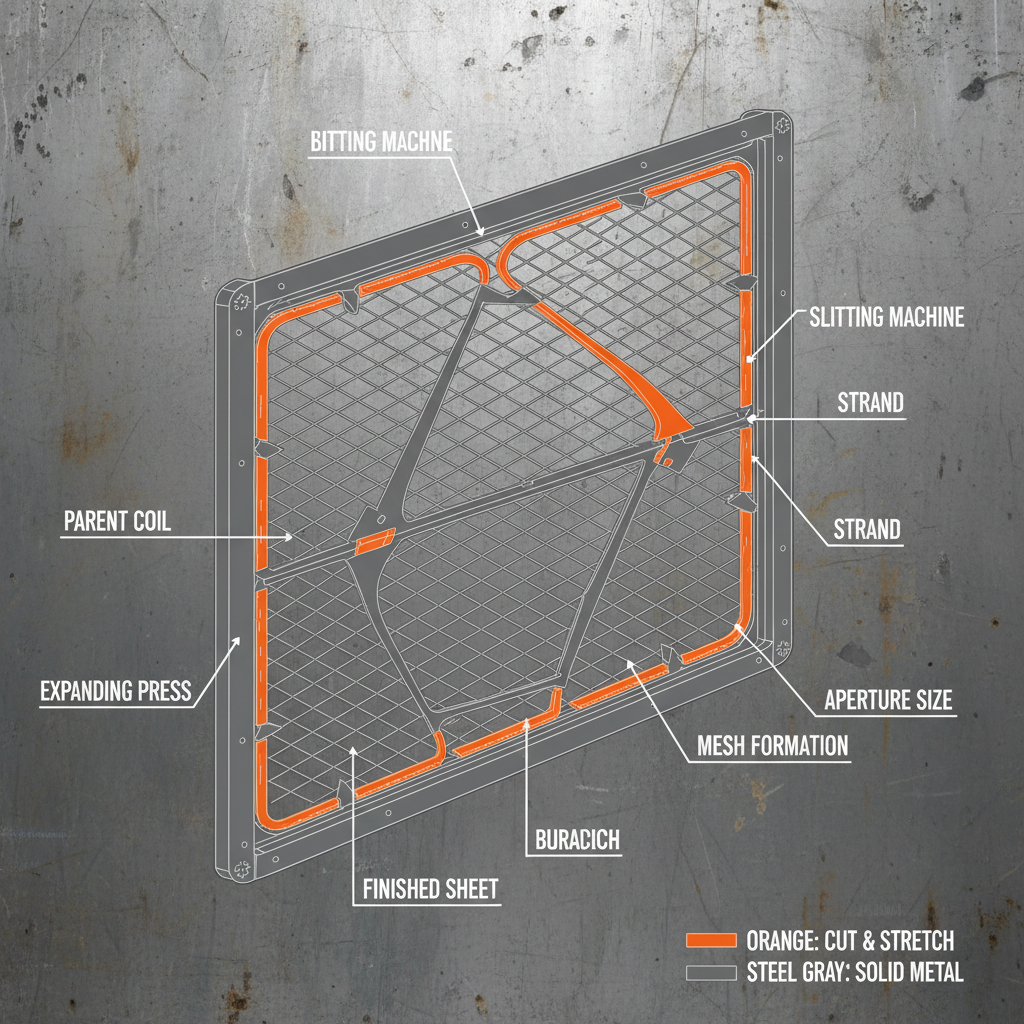
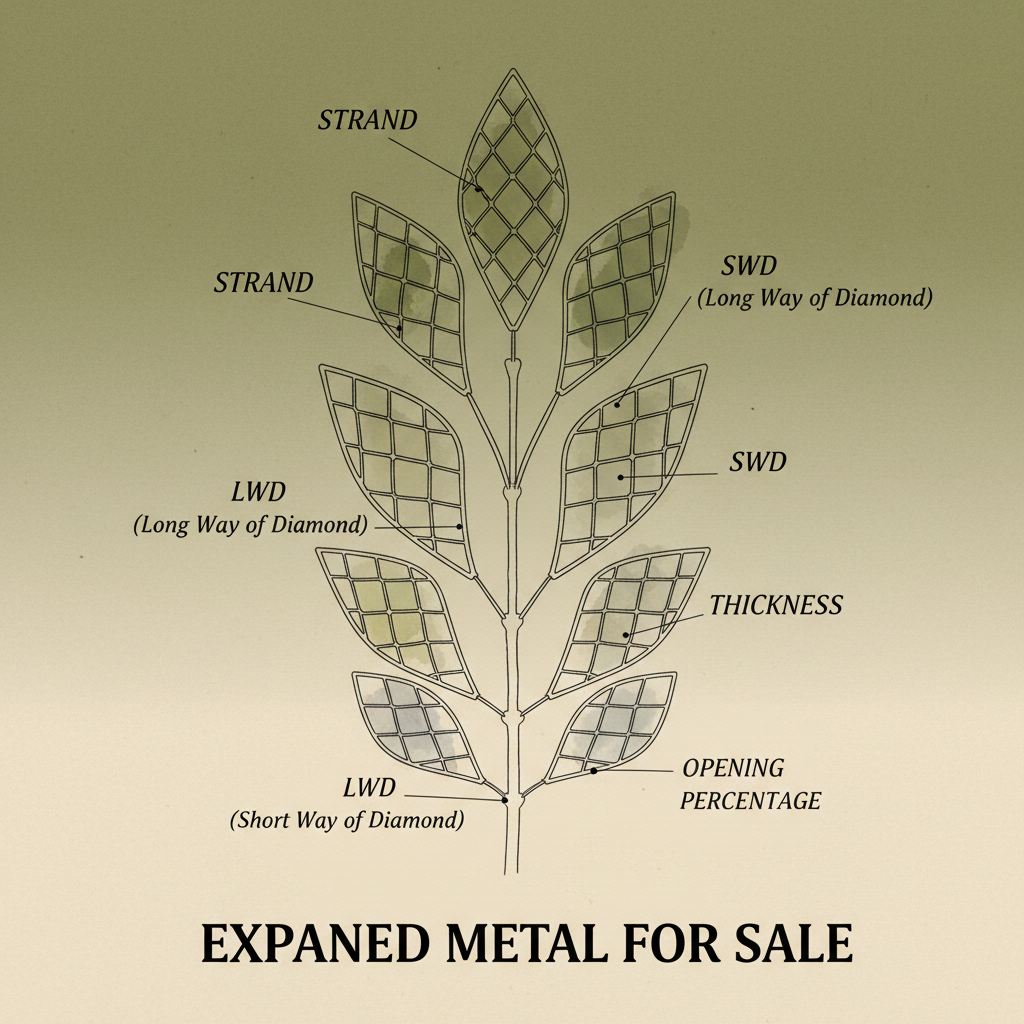
Expanded steel sheet is a metal product created by slitting and stretching a solid metal sheet. This process forms a diamond or hexagonal pattern, maintaining a substantial portion of the original metal's strength and rigidity. Unlike perforated metal, which removes material, expanded steel stretches it, preserving its mass and structural properties.

The connection to modern industry lies in its adaptability and cost-effectiveness. It's a critical component in safety barriers, architectural cladding, and industrial flooring. Its ability to be readily fabricated into different shapes and sizes makes it ideal for customized solutions.

In humanitarian contexts, expanded steel sheet can be rapidly deployed in temporary shelters, providing robust and secure structures in disaster-stricken areas. Its durability and resistance to damage make it a valuable resource where resilience is paramount.

Core Characteristics of expanded steel sheet

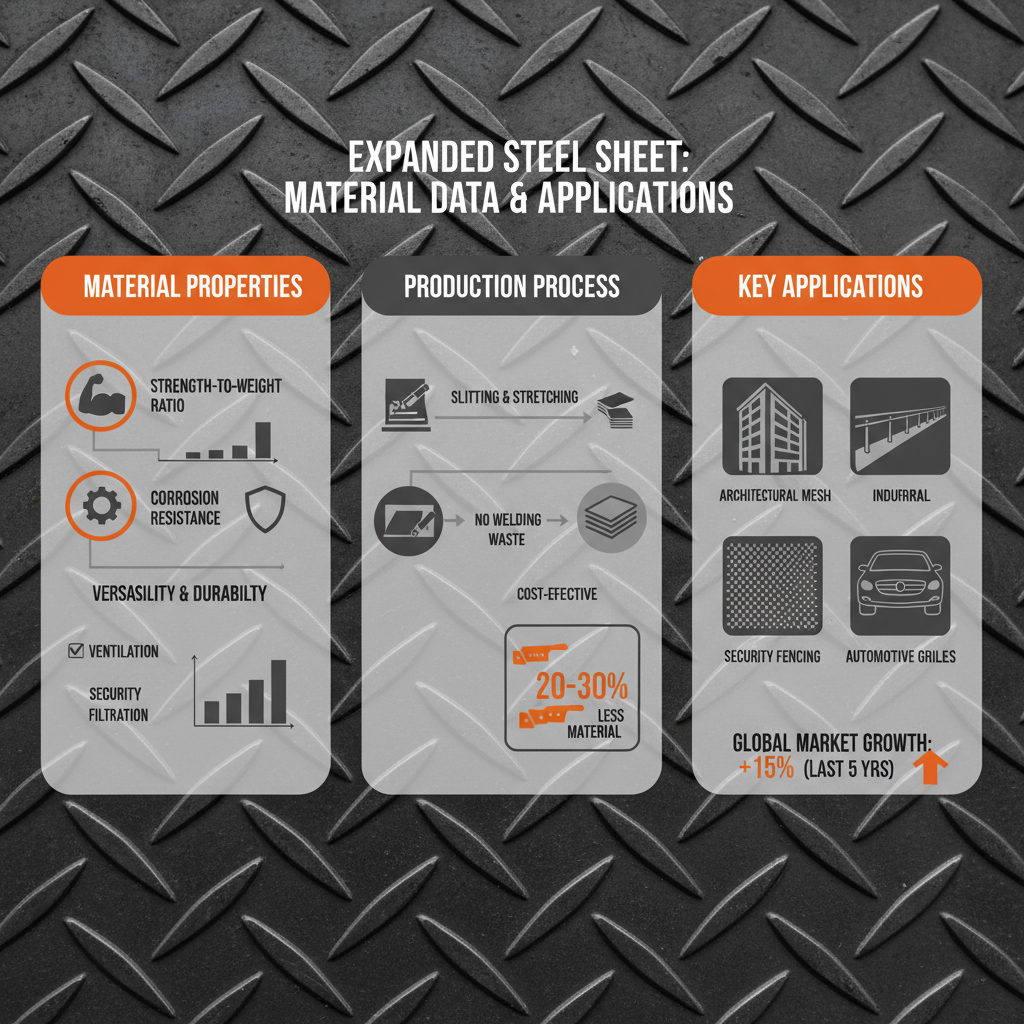
Durability: Expanded steel sheet exhibits exceptional resistance to impact, wear, and corrosion, resulting in a long service life, even in harsh environments. Its robust construction ensures consistent performance over time, reducing the need for frequent replacements.

Load-Bearing Capacity: The unique expanded pattern distributes loads evenly, allowing the sheet to support significant weight. This makes it suitable for flooring, platforms, and stair treads where structural integrity is crucial.

Security: The interconnected nature of the expanded pattern provides a strong deterrent to intrusion, making it a popular choice for security fencing, gates, and protective screens. The open grid still provides visibility, aiding in surveillance.

Slip Resistance: The raised pattern offers excellent traction, even when wet or oily, enhancing safety in walkways, ramps, and industrial environments. This reduces the risk of accidents and injuries.

Cost-Effectiveness: Compared to other metal products with similar strength and durability, expanded steel sheet is often a more economical option, making it accessible for a wide range of projects.

Versatility: Easily fabricated, cut, and welded, expanded steel sheet adapts to diverse design requirements, supporting a myriad of applications.

Practical Applications of expanded steel sheet

Expanded steel sheet is a cornerstone material in construction, particularly in flooring, stair treads, and walkways. Its slip-resistant surface provides crucial safety in high-traffic areas. It's also widely used in the creation of secure fencing and enclosures for industrial facilities and public spaces.

Application Ratings for expanded steel sheet


Global Use Cases for expanded steel sheet

In post-disaster relief operations, expanded steel sheet is utilized for quick construction of temporary shelters and emergency fencing, providing immediate safety and security to affected populations. Its rapid deployment capability is invaluable in crisis situations.

Throughout Europe, architects are incorporating expanded steel sheet into modern building facades, enhancing aesthetic appeal while providing solar shading and ventilation. It's becoming a popular choice for creating visually striking and energy-efficient structures.

Advantages of Using expanded steel sheet

The tangible benefits of expanded steel sheet include reduced material costs due to its efficient use of metal, lower installation expenses thanks to its lightweight nature, and increased safety resulting from its slip-resistant surface and robust security features.

Beyond the practical advantages, expanded steel sheet offers peace of mind. Knowing that structures are built with a durable, reliable material fosters confidence and trust. Its contribution to safer environments and more secure facilities has a positive social impact.

Future Trends in expanded steel sheet Technology

Innovations in coating technologies are enhancing the corrosion resistance of expanded steel sheet, extending its lifespan and reducing maintenance costs. The development of lightweight alloys combined with the expansion process promises even greater strength-to-weight ratios.

Digital fabrication techniques, such as laser cutting and CNC bending, are enabling the creation of intricate designs and customized expanded steel sheet panels. This opens up new possibilities for architectural expression and functional optimization.

Sustainability is driving a demand for expanded steel sheet made from recycled materials, contributing to a circular economy. The use of eco-friendly coatings further reduces the environmental impact of this versatile material.

Summary of Key Challenges and Potential Solutions for expanded steel sheet

Challenge Material Cost Fabrication Complexity Corrosion Resistance
High Initial Investment 7/10 6/10 5/10
Limited Design Flexibility 4/10 8/10 6/10
Vulnerability to Corrosion 5/10 4/10 3/10
Difficult Handling of Large Sheets 6/10 7/10 4/10
Standardization of Sizes 8/10 5/10 7/10
Supply Chain Disruptions 9/10 9/10 8/10

FAQS

What are the typical applications of expanded steel sheet in construction?

Expanded steel sheet is commonly used in construction for flooring, stair treads, walkways, and safety grating. Its open grid design provides excellent traction and allows for light and ventilation. It is also utilized in facade cladding, providing a modern aesthetic while offering solar shading and protection. Due to its durability, it is also preferred in security applications such as fencing and protective barriers.

How does the manufacturing process of expanded steel affect its strength?

The expansion process, unlike cutting or perforation, stretches the metal rather than removing it. This crucial difference preserves a significant portion of the original metal’s mass and strength. The interconnected pattern created distributes loads evenly, resulting in a highly durable and structurally sound material. This single-piece construction minimizes potential weak points.

What are the common materials used to make expanded steel sheet?

Expanded steel sheet is commonly manufactured from carbon steel, stainless steel, and aluminum. Carbon steel is popular for its strength and cost-effectiveness, while stainless steel provides superior corrosion resistance. Aluminum is chosen for its lightweight properties and is often used in applications where weight is a concern. The material selection depends on the specific application and environmental factors.

How can expanded steel sheet be protected against corrosion?

Corrosion protection for expanded steel sheet can be achieved through various methods. Galvanizing is a common and cost-effective option, providing a zinc coating that protects the steel from rust. Painting or powder coating adds an additional layer of protection and can be customized to match specific color requirements. Using stainless steel as the base material inherently provides excellent corrosion resistance.

What are the advantages of using expanded steel over perforated metal?

Expanded steel retains more of the original metal’s strength and mass compared to perforated metal, which removes material. This makes expanded steel a better choice for load-bearing applications. Expanded metal also avoids the creation of small, potentially hazardous holes found in perforated metal. The expansion process also generally results in a more uniform and structurally consistent product.

What is the typical lifespan of expanded steel sheet when properly maintained?

With proper maintenance, including regular cleaning and protective coatings, expanded steel sheet can have a lifespan of several decades, often exceeding 50 years. The lifespan depends significantly on the environment and the material used. Stainless steel offers the longest lifespan, while carbon steel may require more frequent maintenance to prevent corrosion.

Conclusion

Expanded steel sheet represents a remarkable intersection of strength, versatility, and cost-effectiveness. From bolstering infrastructure and enhancing security to providing vital support in disaster relief, its applications are far-reaching and impactful. Its enduring popularity stems from its unique manufacturing process, which preserves material integrity while creating a robust and adaptable product.

Looking forward, continued innovation in materials science, fabrication techniques, and sustainable practices will further enhance the performance and environmental friendliness of expanded steel sheet. As industries seek lighter, stronger, and more durable materials, expanded steel is poised to remain a crucial component in building a more resilient and sustainable future. For comprehensive information and customized solutions, visit our website: expanded steel sheet.
David Miller

David Miller

David Miller is the Senior Project Manager at Anping Chencai Metal Products Co., Ltd., overseeing the implementation of complex architectural and industrial projects. With over 15 years of experience in metal fabrication and a keen understanding of international standards like EN10223-7:2012, David ensures projects are delivered on time, within budget,
Previous Expanded Stainless Steel Mesh A Versatile Material for Modern Infrastructure
Next Exploring the Versatility and Applications of Expanded Aluminum Sheet