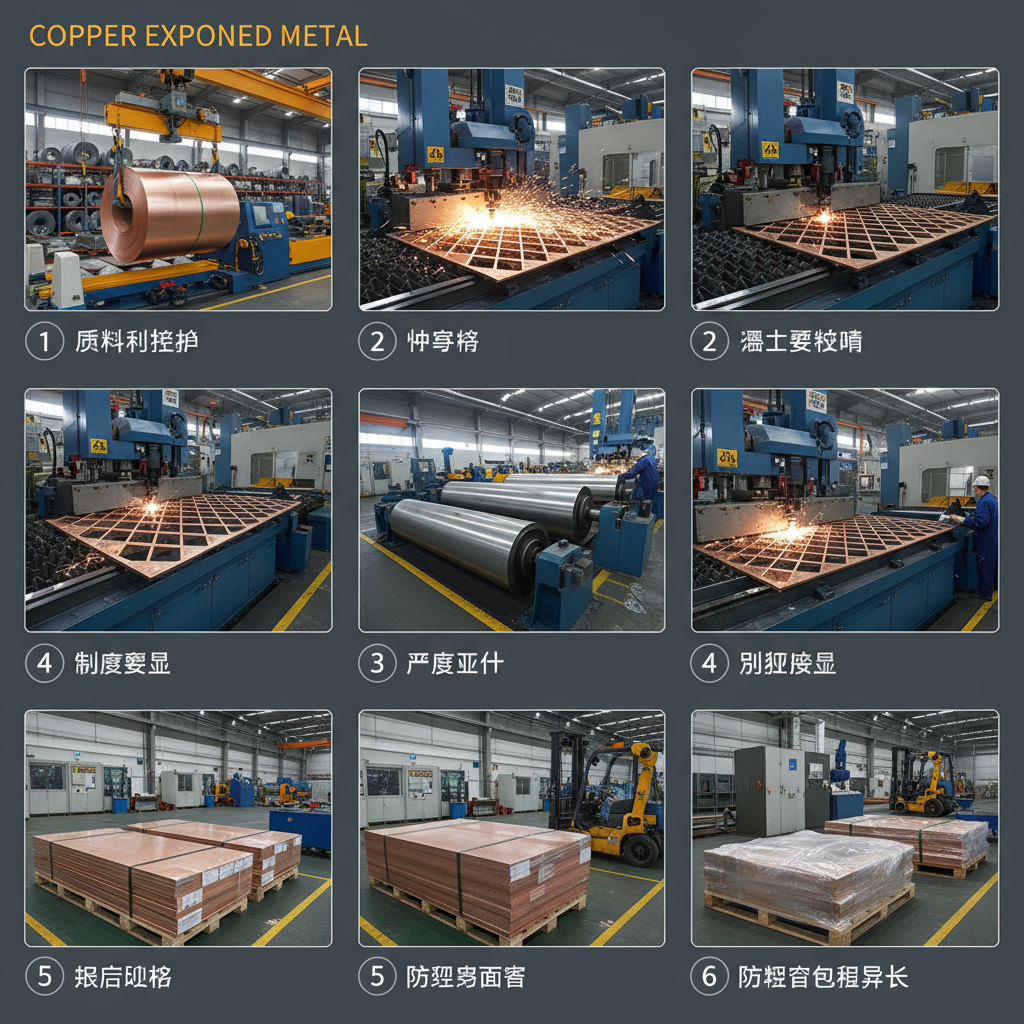
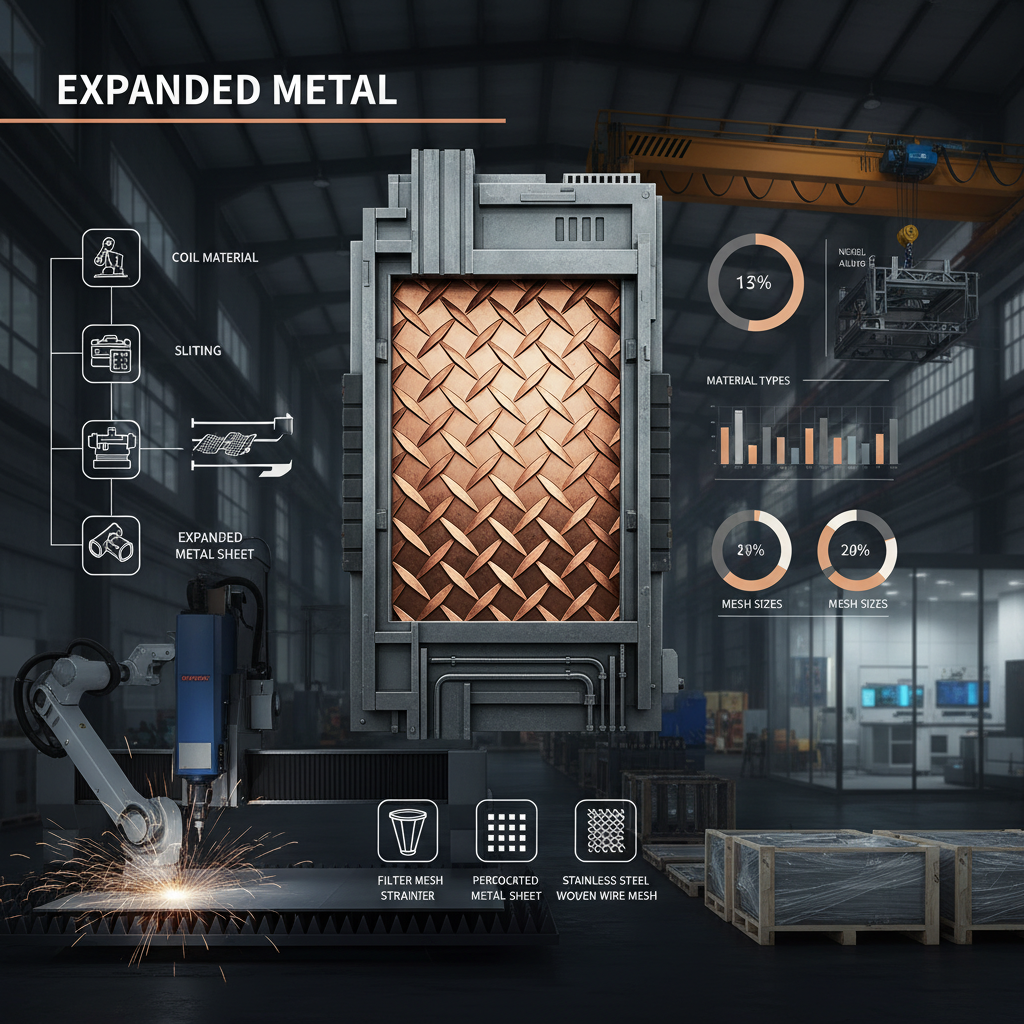
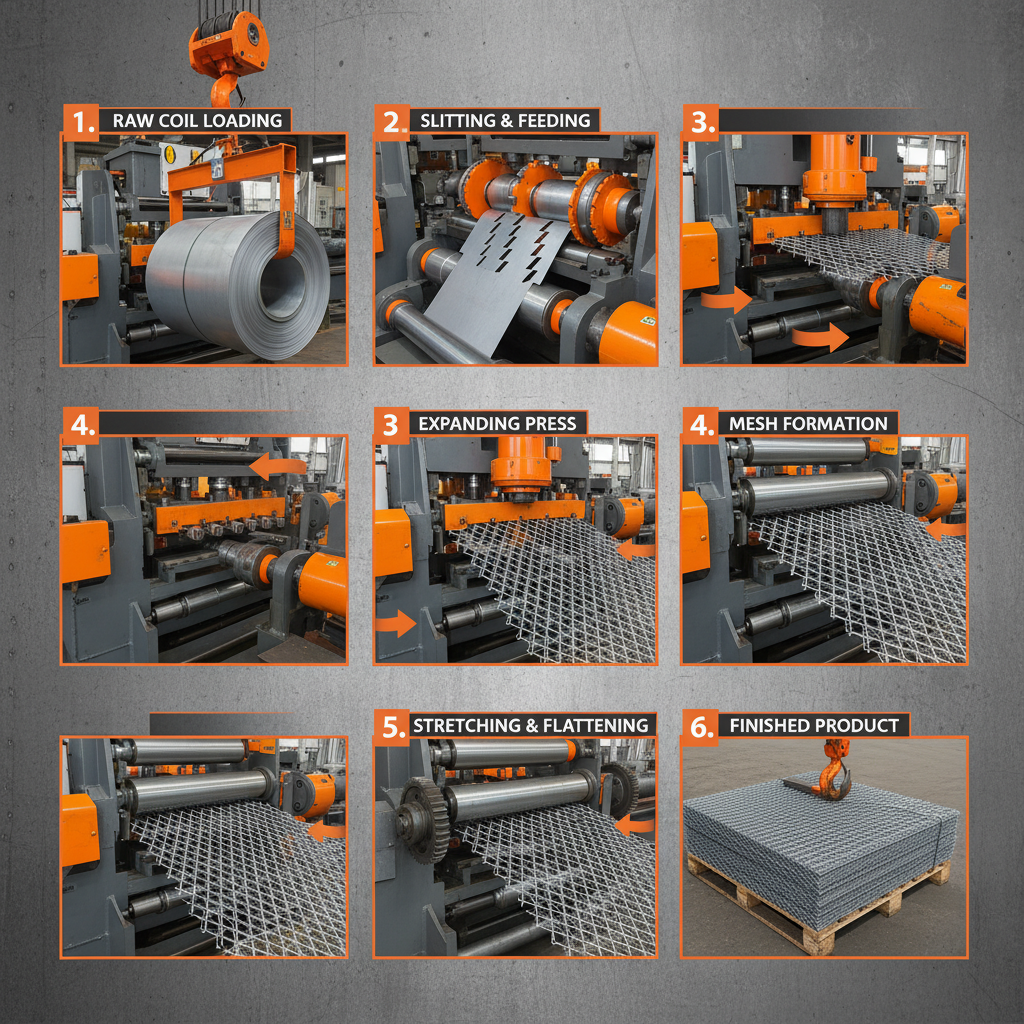
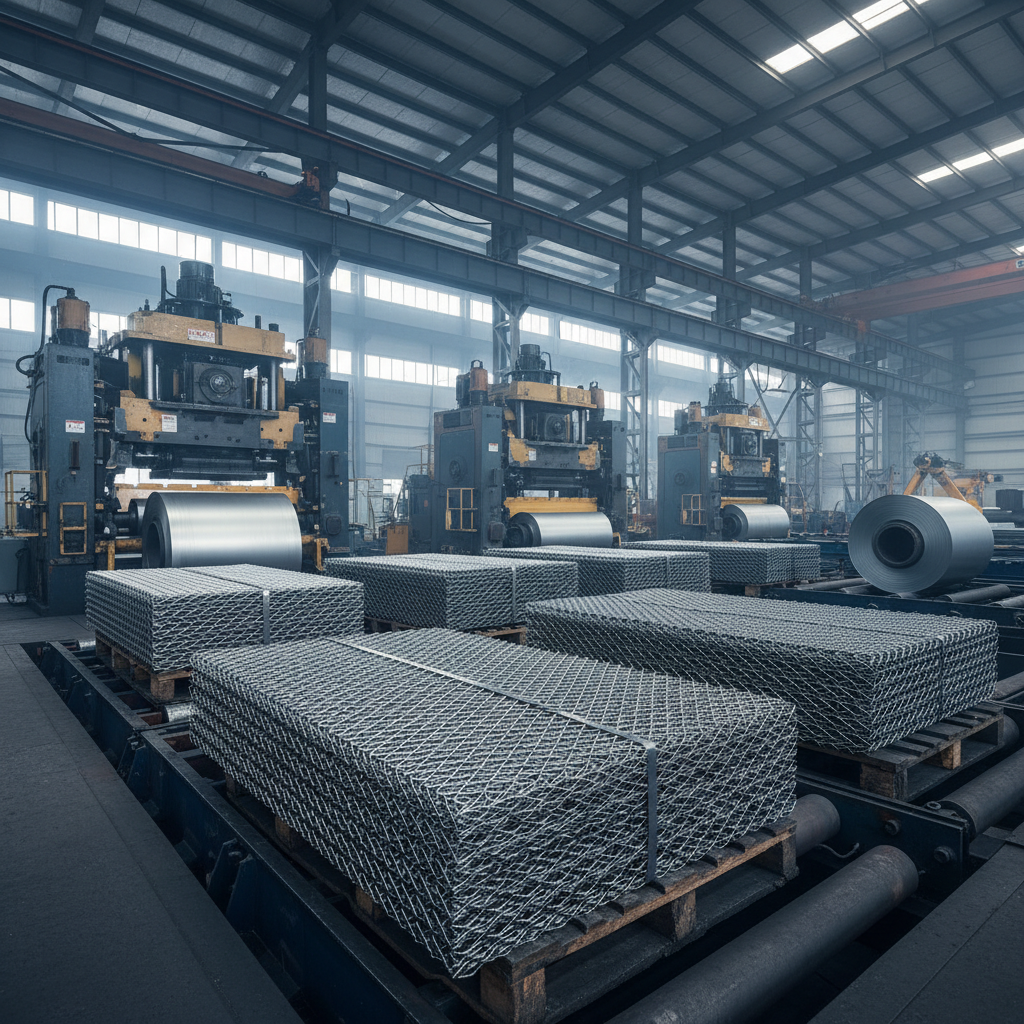
In the specialized world of industrial filtration and architectural design, copper expanded metal stands out as a premier material combining structural integrity with exceptional conductivity and corrosion resistance. By utilizing a unique slitting and stretching process, this material creates a consistent diamond-shaped mesh without the need for welding, ensuring that the inherent properties of the copper remain intact while providing an open-area design for airflow and liquid passage.
The global demand for high-performance alloys has propelled the use of copper-based expanded meshes in sectors ranging from electromagnetic shielding to high-end interior decor. As industries strive for materials that offer both longevity and functional efficiency, understanding the nuances of how this metal is processed and applied becomes critical for engineers and architects alike.
Whether it is used for its antimicrobial properties in healthcare environments or its thermal conductivity in industrial heat exchangers, copper expanded metal provides a versatile solution to complex engineering challenges. This guide explores its technical specifications, global applications, and the long-term value it brings to modern manufacturing.
Global Relevance of Copper Expanded Metal
On a global scale, the adoption of copper expanded metal is closely tied to the expansion of the electronics and green energy sectors. According to industrial standards aligned with ISO quality benchmarks, the need for materials that can handle high thermal loads while remaining lightweight has made expanded copper a preferred choice over traditional heavy plates.
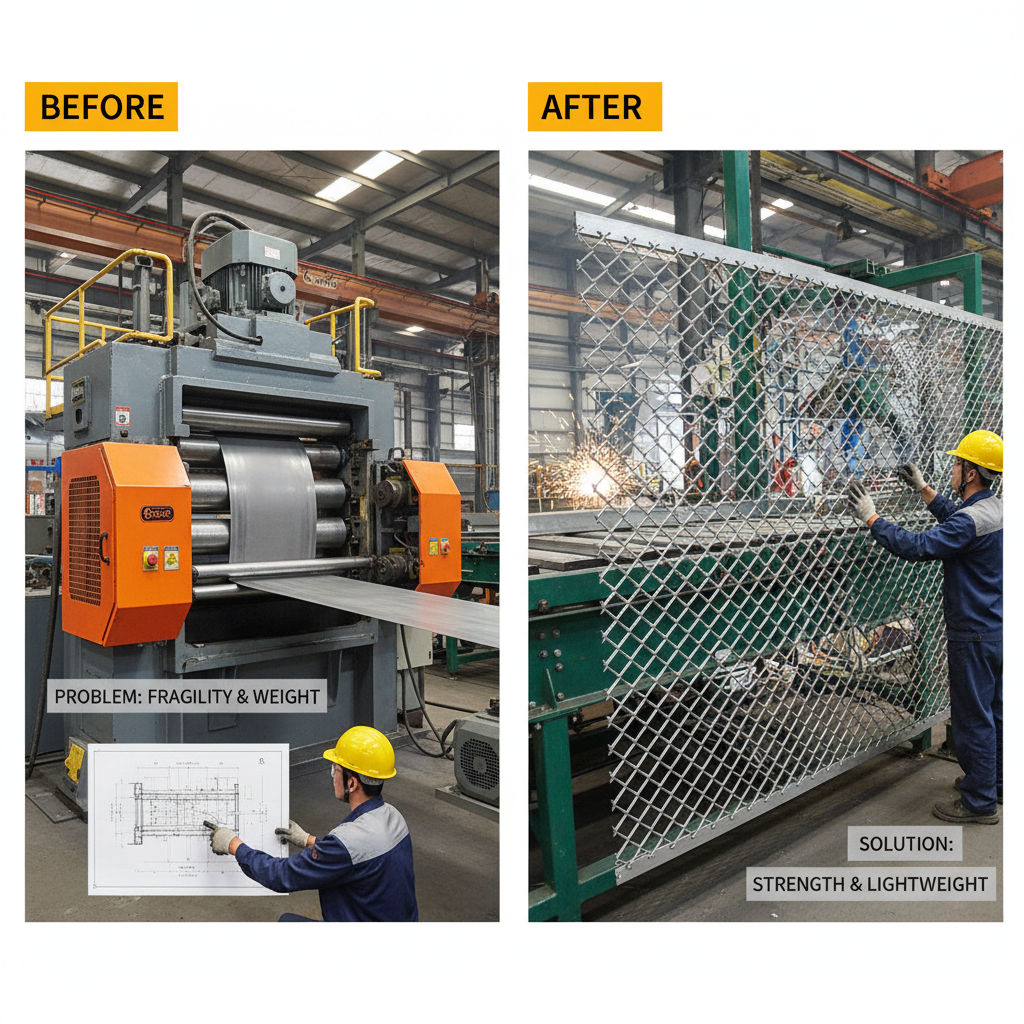
The primary challenge addressed by this material is the balance between porosity and strength. In many critical environments, such as data centers or chemical processing plants, traditional perforated sheets may create too much waste or lack the specific rigidity required for structural support, a gap that the expanding process effectively fills.
Defining Copper Expanded Metal in Modern Industry
In simple terms, copper expanded metal is created by shearing a solid copper sheet in a specific pattern and then stretching it to create open diamond-shaped apertures. Unlike woven mesh, the strands are not interlaced but are part of a single, continuous piece of metal, which significantly increases the structural integrity and prevents the "unraveling" seen in lower-quality meshes.
This unique geometry makes it an essential component in modern industrial needs, particularly where fluid dynamics and heat dissipation are priorities. The open area of the mesh allows for maximum airflow, while the copper base provides the highest electrical and thermal conductivity of any non-precious metal.
Beyond the technical, the material addresses humanitarian and safety needs by offering antimicrobial surfaces. Copper naturally kills bacteria and viruses on contact, making these expanded meshes ideal for ventilation grilles in hospitals and public transport systems globally.
Core Components of Material Performance
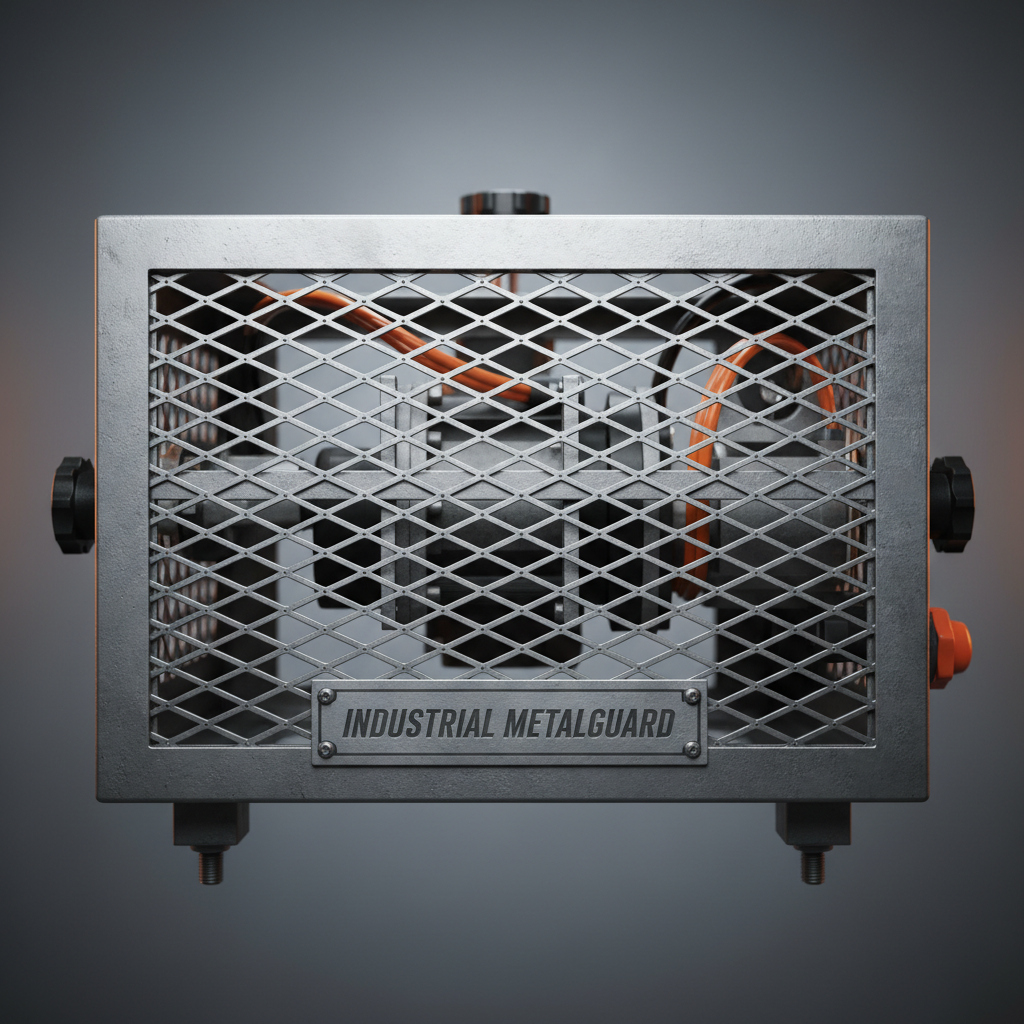
Durability is a cornerstone of copper expanded metal. Due to the nature of the stretching process, the material gains a multi-directional strength that resists impact and deformation better than simple perforated holes. This makes it suitable for high-traffic industrial flooring or protective guards.
Thermal and Electrical Conductivity are the most sought-after traits. In electrical grounding systems or EMI/RFI shielding, copper expanded metal acts as a highly efficient conductive barrier, preventing interference and ensuring the safety of sensitive electronic components in aerospace and telecommunications.
Cost Efficiency is achieved through the zero-waste manufacturing process. Because the metal is stretched rather than punched, there are no "slugs" or scrap pieces produced during fabrication. This not only lowers the raw material cost but also aligns with global sustainability goals by reducing industrial waste.
Technical Factors and Efficiency Metrics
When evaluating the performance of copper expanded metal, engineers focus on the "Open Area Percentage" and the "Strand Width." These metrics determine how much air or liquid can pass through the mesh and how much load the material can support before bending.
By optimizing the ratio of the long way of the diamond (LWD) to the short way of the diamond (SWD), manufacturers can tailor the mesh for specific industrial applications, whether it be for fine filtration in chemical labs or heavy-duty screening in mining.
Comparative Performance of Copper Expanded Metal Variants
Global Applications and Use Cases
In real-world contexts, copper expanded metal is extensively used in the energy sector. In remote industrial zones, specifically within geothermal power plants, these meshes are utilized for heat exchange components where the combination of corrosion resistance and thermal efficiency is paramount.
Furthermore, in the architectural realm across Europe and North America, copper expanded metal is utilized as high-end facade cladding. Its ability to develop a natural patina over time provides a timeless aesthetic while offering a functional sun-shading system that reduces building cooling costs.
Long-Term Value and Sustainable Advantages
The long-term value of copper expanded metal is found in its sustainability. Copper is 100% recyclable without any loss of quality, meaning that at the end of a product's lifecycle, the material can be reclaimed and repurposed, significantly lowering the environmental footprint of the project.
From a logical and emotional angle, specifying copper mesh conveys a commitment to quality and safety. In healthcare settings, the use of antimicrobial copper reduces the risk of healthcare-associated infections (HAIs), providing peace of mind to patients and staff alike.
Reliability is another key factor. Unlike plastic polymers that degrade under UV exposure or steel that can rust if the coating is scratched, copper provides a natural defense against the elements, ensuring that the structural integrity of the mesh remains intact for decades.
Future Trends and Innovation in Copper Mesh
As we move toward a digital transformation, the role of copper expanded metal is evolving toward "smart" integration. We are seeing the emergence of hybrid meshes that combine copper with nano-coatings to further enhance electrical conductivity or to prevent specific types of oxidation in extreme chemical environments.
The shift toward green energy, specifically in hydrogen fuel cell technology, is creating new demands for high-purity copper expanded meshes that can act as catalysts or separators. Automation in the manufacturing process is also allowing for more complex, custom-stretched patterns that were previously impossible.
Sustainability policies, such as the Circular Economy Action Plan, are driving industries to replace short-lived synthetic filters with long-lasting, recyclable copper mesh solutions.
Technical Comparison of Copper Expanded Metal Implementation Standards
| Application Sector |
Primary Requirement |
Performance Score (1-10) |
Maintenance Cycle |
| EMI Shielding |
Conductivity |
9.8 |
Low |
| Architectural Facade |
Aesthetics/Patina |
8.5 |
Minimal |
| Medical Ventilation |
Antimicrobial |
9.2 |
Medium |
| Industrial Heat Sync |
Thermal Transfer |
9.5 |
Medium |
| Chemical Filtration |
Corrosion Resistance |
7.8 |
High |
| Battery Components |
Electrical Flow |
9.0 |
Low |
FAQS
The primary advantage lies in structural integrity and waste reduction. Because expanded metal is stretched rather than punched, there are no holes that weaken the surrounding material to the same degree, and there is zero scrap material produced during manufacturing, making it more cost-effective and environmentally friendly.
Copper is exceptionally durable outdoors. While it will oxidize and develop a characteristic green patina over time, this layer actually protects the underlying metal from further corrosion. Depending on the environment, it can last for several decades with virtually no structural maintenance.
Yes, it is one of the best materials for this purpose. Due to copper's high electrical conductivity, an expanded mesh creates an effective Faraday cage that blocks electromagnetic interference (EMI) and radio frequency interference (RFI) while still allowing for airflow and visibility.
Absolutely. By adjusting the slitting width and the stretching distance, manufacturers can create a wide variety of diamond sizes (LWD and SWD) and strand widths to meet the exact filtration or structural requirements of any project.
Yes, copper is naturally oligodynamic, meaning it kills a wide range of bacteria, viruses, and fungi on contact. This makes copper expanded metal an ideal choice for high-touch surfaces or ventilation systems in hospitals and clinics.
The open area is calculated by comparing the total area of the diamond openings to the total area of the sheet. Our technical team provides detailed specification charts for all our products to ensure you select the correct porosity for your application.
Conclusion
In summary, copper expanded metal represents a perfect intersection of engineering efficiency and material science. Its unique combination of high thermal and electrical conductivity, natural antimicrobial properties, and a waste-free manufacturing process makes it an indispensable asset for modern industrial and architectural projects. By prioritizing both performance and sustainability, it offers long-term value that far outweighs the initial investment.
Looking forward, the integration of copper expanded mesh into green energy and smart-city infrastructure will likely accelerate. For engineers and procurement specialists, the key to success lies in selecting the precise grade and aperture size to optimize for the specific needs of the application. We invite you to explore our full range of high-performance metal solutions to enhance your next project. Visit our website: www.ccwiremesh.com