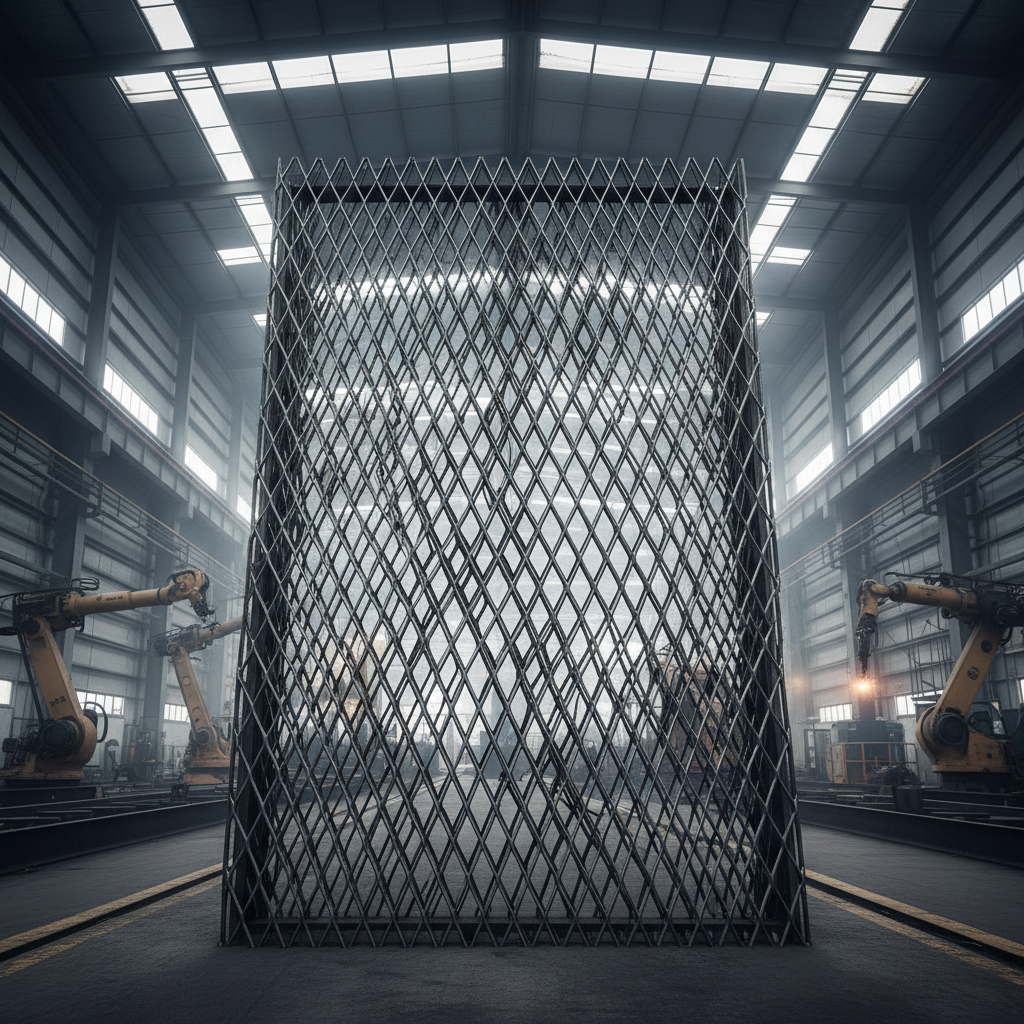
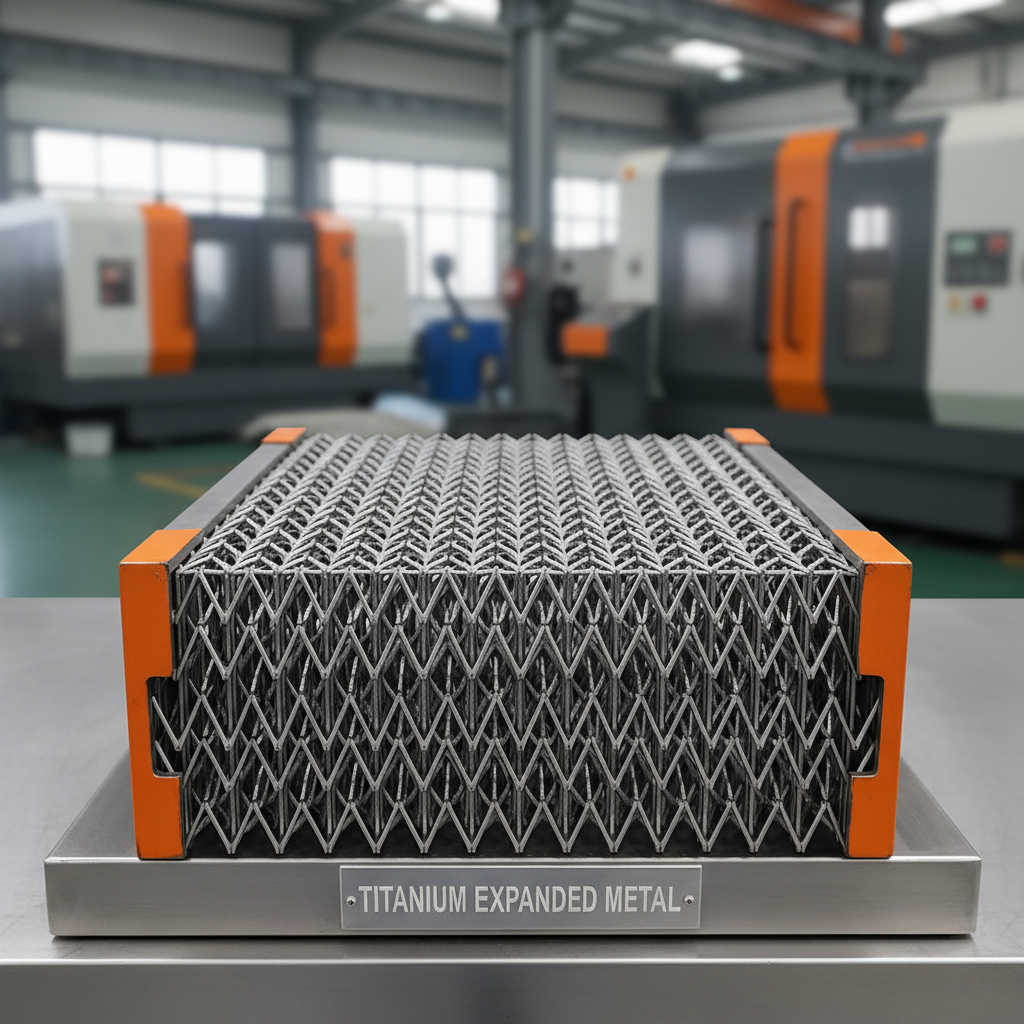
The versatility of the expanded metal mesh sheet has made it an indispensable component in modern industrial engineering, offering a unique combination of strength, transparency, and lightweight design. By utilizing a process of shearing and stretching rather than punching, this material maintains its structural integrity without the waste associated with traditional perforated sheets.
Across the globe, the demand for high-performance filtration and security solutions has pushed the expanded metal mesh sheet into the spotlight of architectural and industrial design. Whether it is used for heavy-duty catwalks in oil rigs or delicate decorative facades in urban skyscrapers, its ability to be customized in terms of aperture size and strand width provides engineers with unparalleled flexibility.
Understanding the technical nuances of these mesh sheets is critical for optimizing operational efficiency and reducing long-term maintenance costs. By exploring the relationship between material grade, expansion ratio, and environmental stressors, businesses can ensure they select the most durable and cost-effective solution for their specific application.
Global Industry Context of Expanded Metal Mesh Sheet
On a global scale, the manufacturing of expanded metal mesh sheet is intrinsically linked to the growth of infrastructure and industrial automation. With the rise of ISO quality standards for metal fabrication, industries in North America, Europe, and Asia have shifted toward materials that offer high strength-to-weight ratios to reduce transportation costs and carbon footprints during construction.
The primary challenge facing the industry has been the balance between corrosion resistance and structural rigidity. In harsh marine or chemical environments, standard carbon steel mesh fails rapidly, leading to a surge in the adoption of stainless steel and aluminum alloys that can withstand extreme oxidative stress while maintaining the open-area benefits of the expanded design.
Definition and Mechanical Principles of Expanded Metal Mesh Sheet
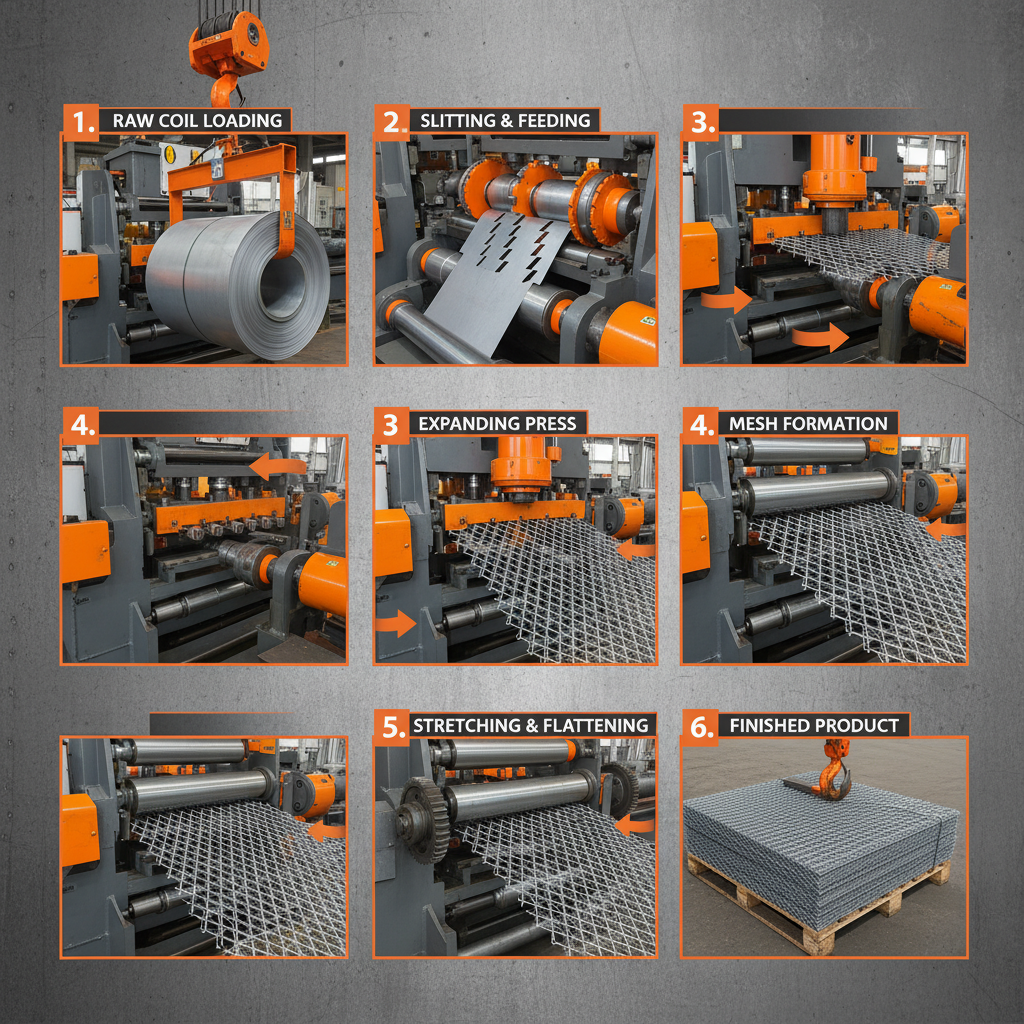
An expanded metal mesh sheet is a cold-formed metal product created by slitting and stretching a solid sheet of metal. Unlike woven wire mesh, which consists of intersecting wires, expanded metal is a single piece of material that has been deformed into a diamond-shaped pattern, ensuring that there are no welds or joints that could act as points of failure.
This unique manufacturing process results in a rigid, three-dimensional structure that provides inherent grip and strength. The "raised" nature of the strands allows the mesh to act as a structural member, making it ideal for flooring, walkways, and security screening where a flat surface would be insufficient or too slippery.
From a humanitarian and urban perspective, this material is often deployed in rapid-infrastructure projects. Its ability to provide immediate security and ventilation makes it a preferred choice for temporary shelters, industrial zoning, and protective barriers in developing urban centers where speed of installation is as critical as longevity.
Core Factors Affecting Mesh Performance
When specifying an expanded metal mesh sheet, the first critical factor is the Material Grade. The choice between 304, 316, or galvanized carbon steel determines the mesh's lifespan in humid or corrosive environments, directly impacting the total cost of ownership.
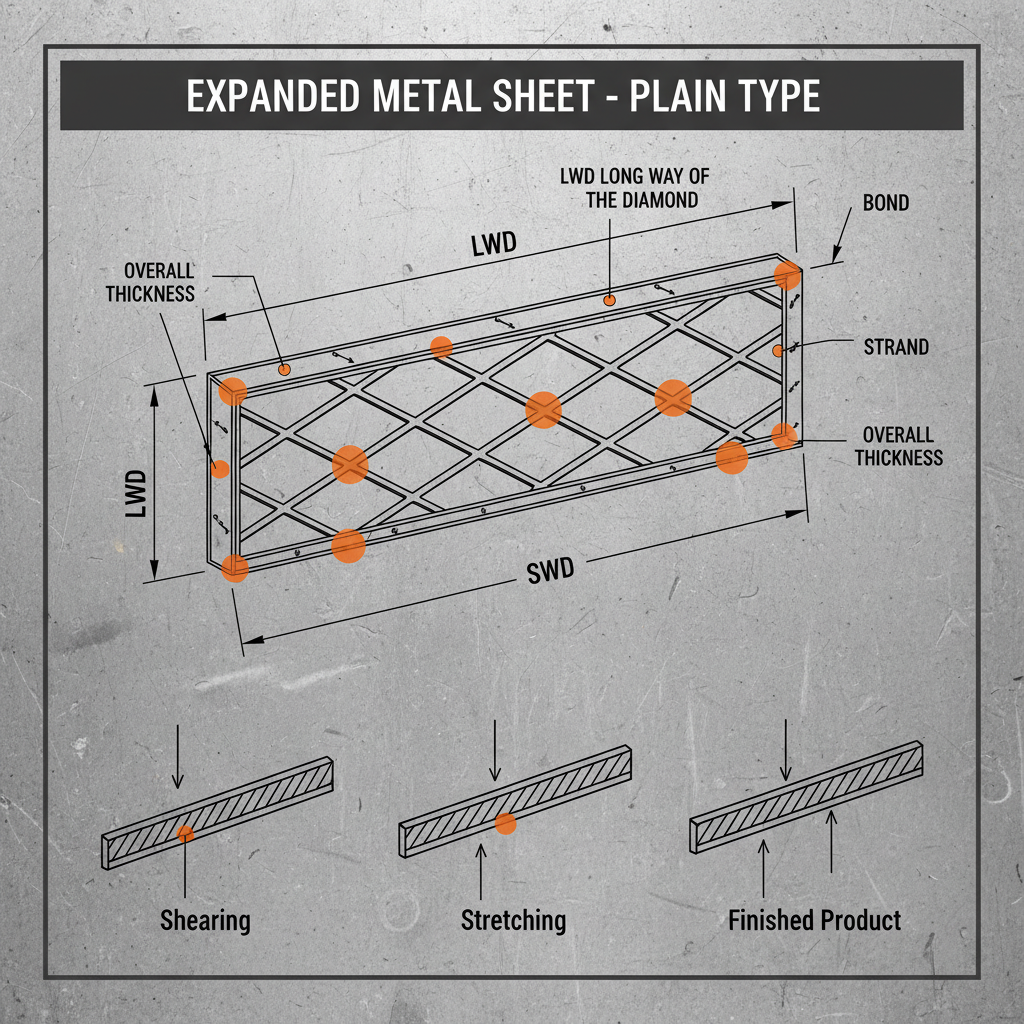
The Strand Width and LWD (Long Way of Diamond) are the primary geometric determinants. A narrower strand increases the open area for better airflow and visibility, while a wider strand increases the load-bearing capacity, which is essential for heavy-duty industrial platforms.
Finally, the Coating and Finishing process ensures that the expanded metal mesh sheet meets specific safety and aesthetic requirements. Powder coating not only prevents oxidation but also allows the mesh to integrate seamlessly into architectural designs without compromising its mechanical properties.
Global Applications and Use Cases
The application of expanded metal mesh sheet spans across diverse sectors. In the automotive industry, it is used for radiator guards and speaker grilles, where it must protect sensitive components while allowing maximum air passage. In the architectural world, it has become a staple for "green walls" and sun-shading facades in cities like Singapore and Dubai to reduce solar heat gain.
In remote industrial zones, such as mining sites in Australia or oil fields in the Middle East, these mesh sheets are used for heavy-duty catwalks and safety railings. Their non-slip surface is critical for worker safety in wet or oily conditions, providing a reliable grip that traditional perforated plates cannot offer.
Performance Comparison of Expanded Metal Mesh Sheet Types
Long-Term Value and Sustainability Benefits
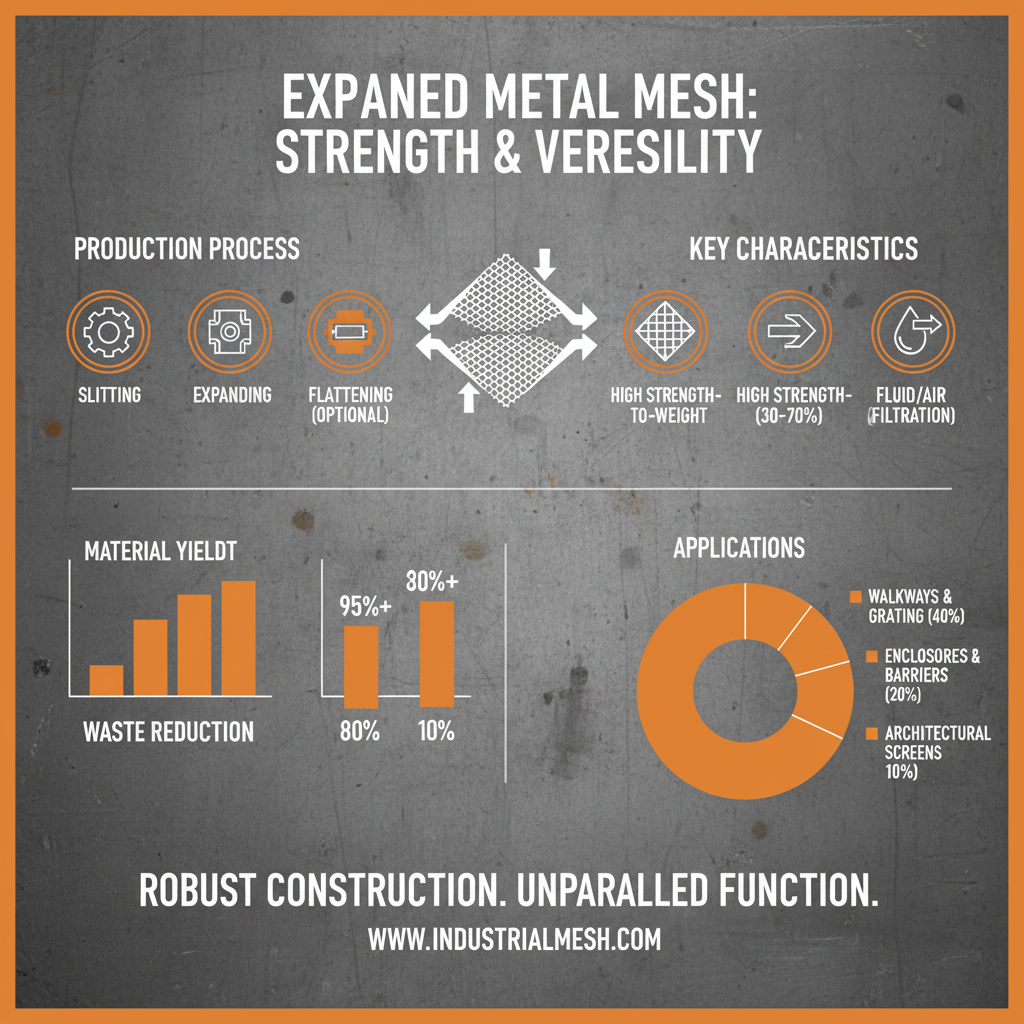
The long-term value of an expanded metal mesh sheet lies in its waste-free production. Unlike punching processes that create "slugs" or scrap metal, expanding simply redistributes the material, significantly reducing raw material costs and environmental impact.
From a sustainability angle, the longevity of high-grade expanded mesh reduces the frequency of replacement cycles. This not only saves money but also minimizes the energy consumption associated with smelting and transporting new steel, aligning with global ESG (Environmental, Social, and Governance) goals for greener construction.
Future Trends in Mesh Fabrication Technology
The future of expanded metal mesh sheet is being shaped by AI-driven precision cutting and CNC integration. These technologies allow for the creation of complex, non-linear patterns that were previously impossible, enabling architects to treat metal mesh as a fluid, artistic medium rather than just a structural component.
We are also seeing the introduction of "smart coatings" that can actively repel pollutants or change color based on temperature. This transformation moves the product from a passive filter to an active participant in building energy management and environmental protection.
Furthermore, the shift toward hybrid alloys—combining the strength of steel with the lightweight properties of titanium or advanced polymers—promises to push the boundaries of where expanded mesh can be used, potentially expanding into aerospace and deep-sea exploration equipment.
Common Challenges and Technical Solutions
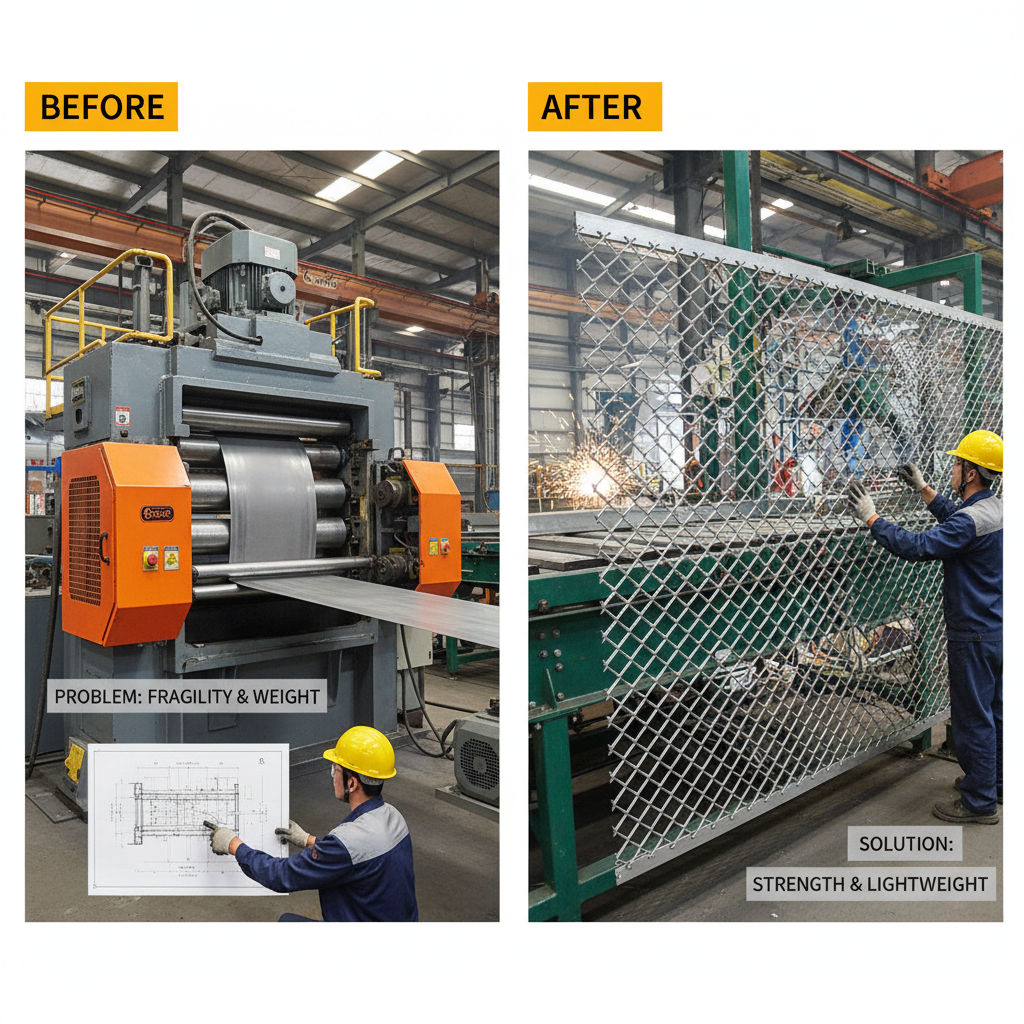
One common challenge with the expanded metal mesh sheet is the "sharp edge" problem created during the stretching process. In applications involving human contact, this can be a safety hazard. The industry solution is the application of precision flattening or edge-trimming processes that smooth the strands without sacrificing the mesh's structural integrity.
Another issue is the tendency for low-grade mesh to sag over large spans. Engineers solve this by implementing reinforced support frames or selecting mesh with a higher "strand-to-opening" ratio, ensuring that the material maintains its tension and shape under heavy loads.
Lastly, calculating the exact open-area percentage for filtration can be difficult for non-experts. The use of standardized technical charts and digital simulation software now allows users to predict flow rates and pressure drops accurately before the expanded metal mesh sheet is even manufactured.
Comparison of Expanded Metal Mesh Solutions by Technical Dimension
| Material Type |
Load Capacity |
Corrosion Resistance |
Primary Use Case |
| Aluminum Alloy |
Moderate |
High |
Decorative Facades |
| Stainless 304 |
High |
Medium-High |
Food Processing |
| Stainless 316 |
High |
Very High |
Marine Engineering |
| Galvanized Steel |
Very High |
Medium |
Industrial Walkways |
| Carbon Steel |
Maximum |
Low |
Heavy Machinery |
| Powder Coated |
Variable |
High |
Urban Architecture |
FAQS
The primary difference is the fabrication process. Perforated metal is made by punching holes out of a sheet, creating scrap metal (slugs). An expanded metal mesh sheet is made by slitting and stretching the material, which means there is no waste and the resulting mesh has a three-dimensional thickness that provides more rigidity and grip.
For security, you should focus on the LWD (Long Way of Diamond) and SWD (Short Way of Diamond). Smaller apertures prevent intruders from gaining a foothold or passing objects through. Additionally, ensure the strand thickness is sufficient to resist cutting tools, typically opting for galvanized or stainless steel for added durability.
Yes, provided you select a heavy-gauge carbon steel or galvanized expanded metal mesh sheet. These are specifically engineered to support high weight loads while providing a non-slip surface. It is essential to calculate the span and support intervals to prevent sagging under maximum load.
It depends on the environment. In high-salinity marine areas or chemical plants, stainless steel (especially grade 316) is essential as it prevents rust and structural failure. For standard indoor industrial use, galvanized steel provides a cost-effective alternative with sufficient corrosion resistance for many years.
The open area is the percentage of the total sheet that is void space. It is calculated based on the strand width and the diamond dimensions. A higher open area is ideal for ventilation and filtration, while a lower open area increases the strength and privacy of the screen.
Absolutely. While it is produced in sheets, it can be precision-cut using laser or water-jet cutting to fit specific architectural or mechanical blueprints. Many suppliers also offer custom expansion ratios to meet exact airflow or load-bearing specifications.
Conclusion
The expanded metal mesh sheet stands as a pinnacle of efficient metal fabrication, blending mechanical strength with material economy. From its role in critical industrial safety to its application in high-end modern architecture, the ability to customize its geometry and material composition makes it a versatile tool for solving complex engineering challenges across various global industries.
As we move toward a more sustainable industrial future, the adoption of waste-free materials like expanded mesh will only increase. By prioritizing the correct material grade and expansion specifications, businesses can achieve a perfect balance of performance and cost, ensuring their infrastructure is safe, durable, and environmentally responsible. Visit our website for more professional solutions: www.ccwiremesh.com