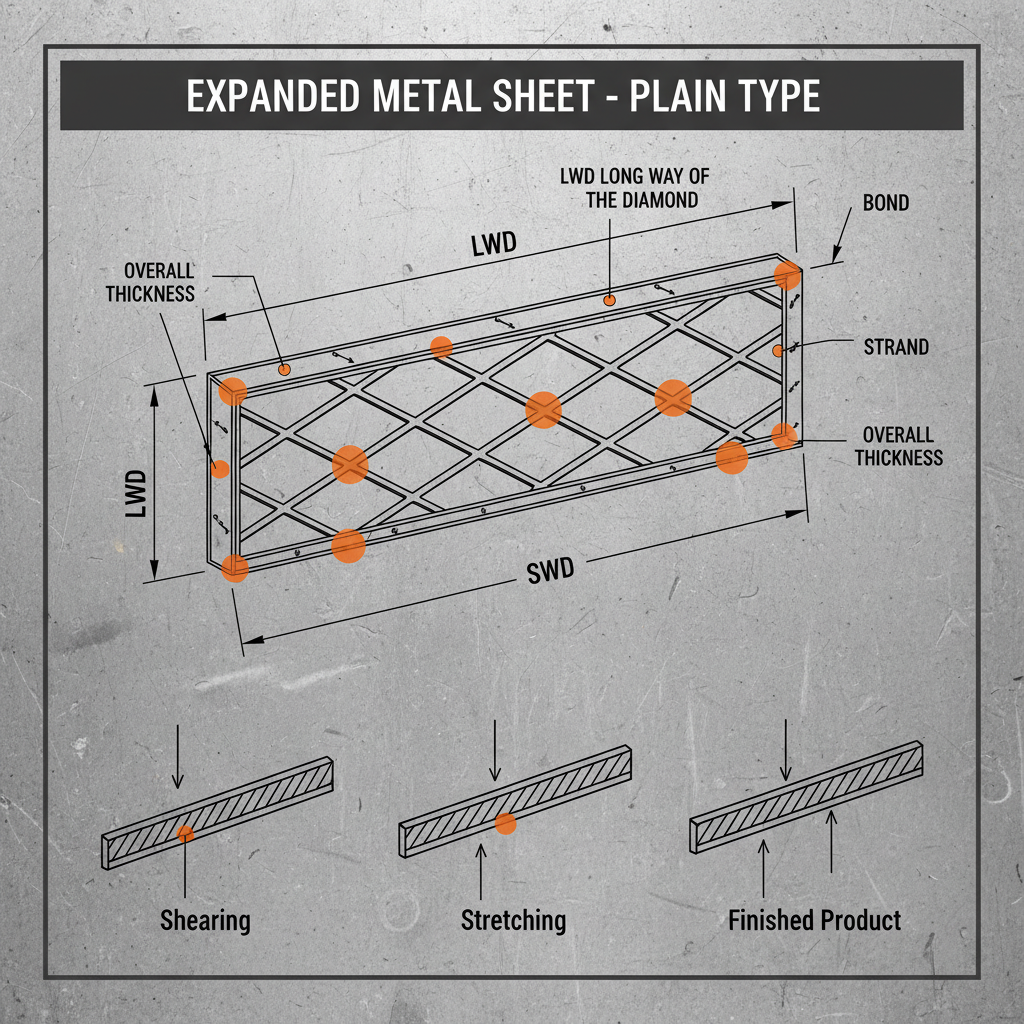
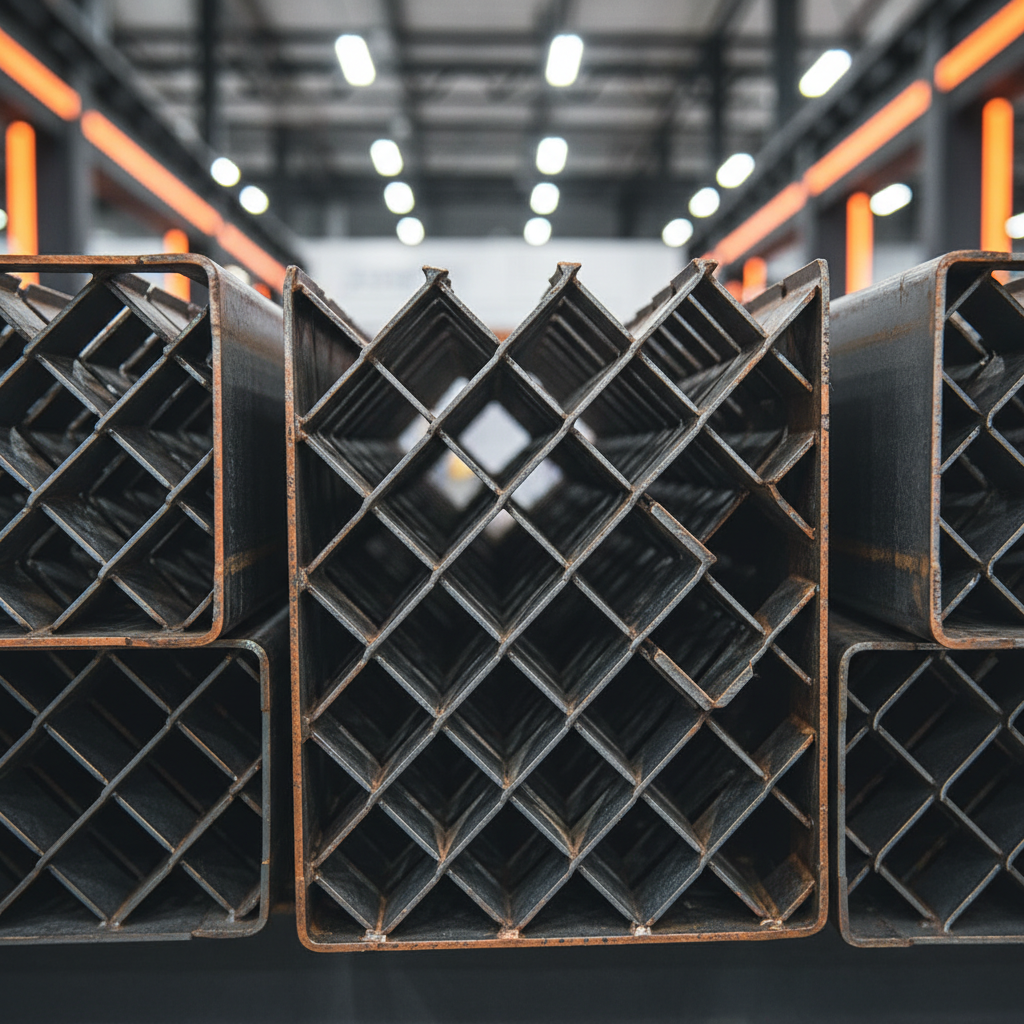
In the demanding landscape of modern industrial filtration and structural reinforcement, stainless expanded mesh stands out as a premier solution for engineers seeking a balance between strength and permeability. This versatile material, created through a precise process of slitting and stretching, provides a seamless, one-piece construction that eliminates the need for welds or joints, ensuring maximum structural integrity in corrosive environments.
The global shift toward sustainable infrastructure and high-precision manufacturing has elevated the importance of choosing materials that offer longevity and minimal maintenance. By utilizing the inherent corrosion resistance of stainless steel and the geometric efficiency of the expanded design, industries can significantly reduce the lifecycle costs of their equipment while improving safety standards across the board.
Understanding the technical nuances of stainless expanded mesh is essential for optimizing airflow, liquid drainage, and security screening. Whether it is utilized in high-tech aerospace components or heavy-duty chemical processing plants, the ability to customize aperture size and strand width allows for a tailor-made approach to complex engineering challenges.
Global Relevance and Industry Context of Stainless Expanded Mesh
The global demand for high-performance alloys has surged as ISO standards for industrial safety and environmental protection become more stringent. stainless expanded mesh has become a critical component in this evolution, particularly in regions with heavy investments in petrochemical and pharmaceutical infrastructure. The challenge often lies in finding a material that can withstand extreme pH levels and high temperatures without sacrificing structural rigidity.
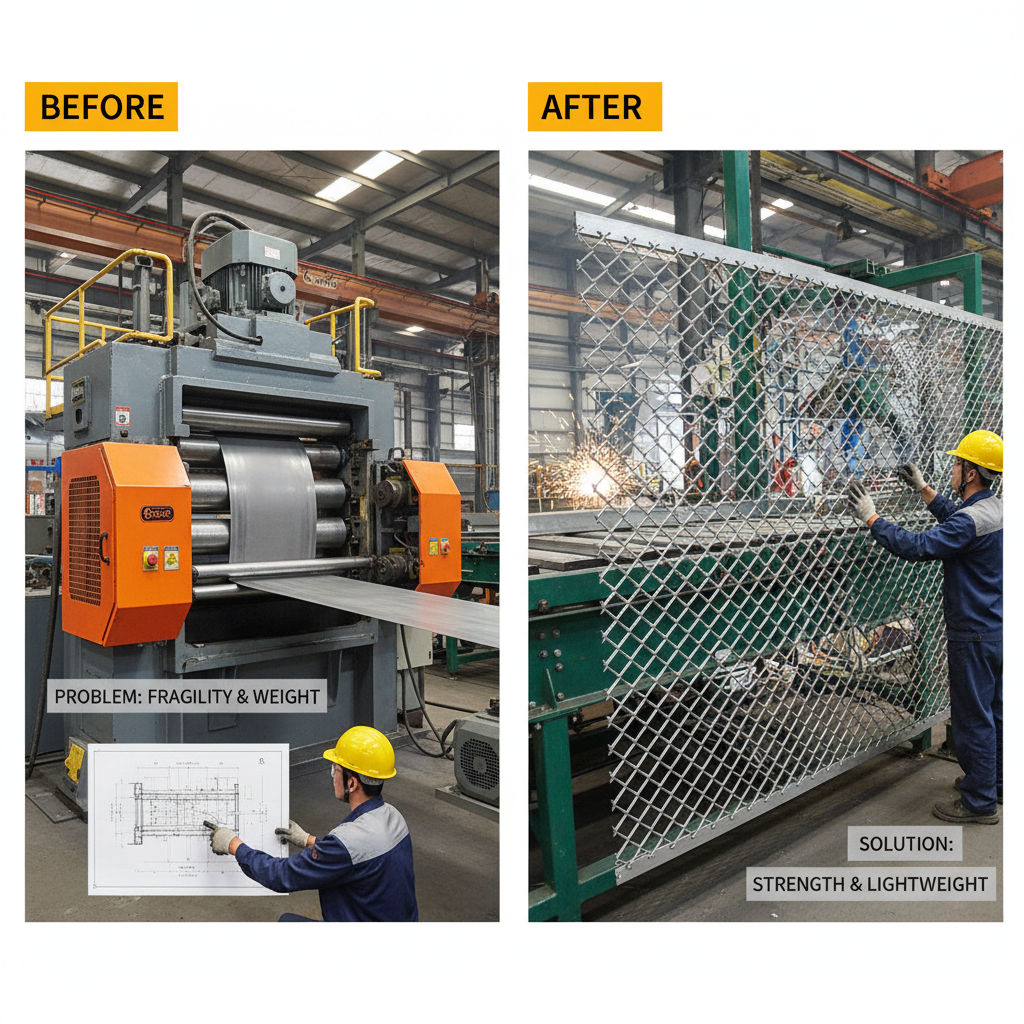
Statistically, the adoption of expanded metal over traditional woven wire in specific structural roles has increased due to its superior strength-to-weight ratio. By eliminating the overlapping wires found in woven mesh, the expanded variant provides a cleaner flow path and a more stable surface, which is vital for maintaining the efficiency of large-scale filtration systems and architectural facades globally.
Defining the Mechanism of Stainless Expanded Mesh
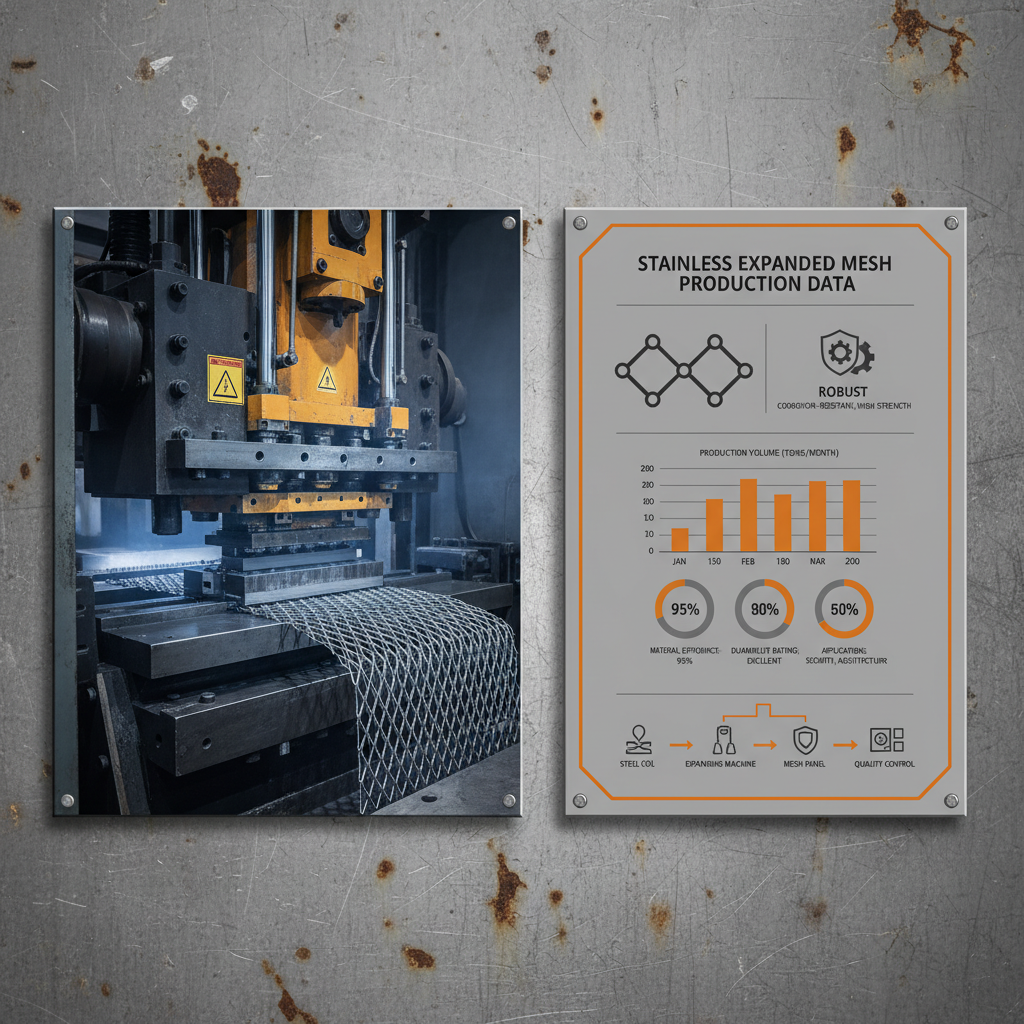
At its core, stainless expanded mesh is produced by shearing a stainless steel sheet and then stretching it in a controlled direction. This creates a diamond-shaped opening pattern that is integral to the metal itself. Unlike perforated sheets where material is removed as scrap, expansion redistributes the metal, meaning there is virtually no waste during the primary fabrication process.
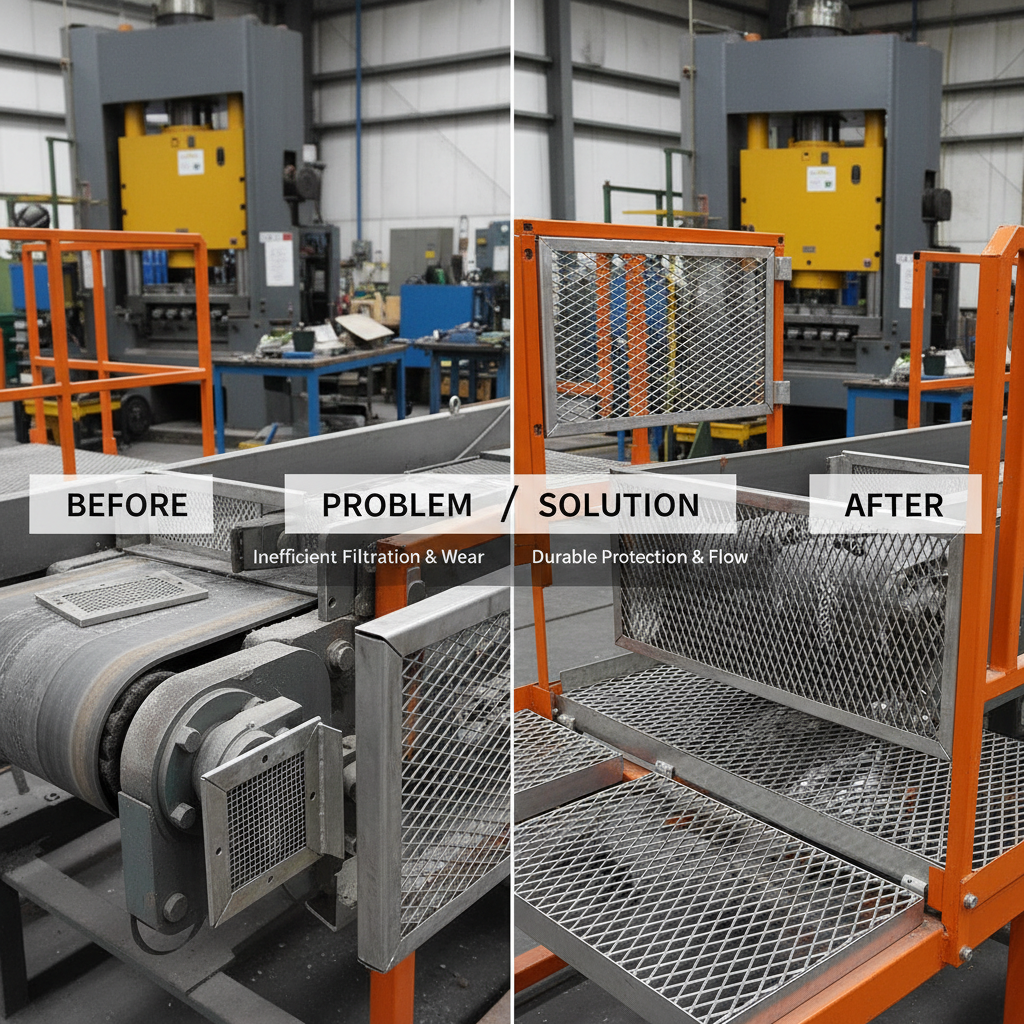
This mechanical process results in a product that possesses an inherent "spring" and flexibility, allowing it to absorb impact better than solid plates. Because the bonds are continuous, the mesh does not suffer from the fraying or unraveling common in woven materials, making it an ideal choice for heavy-duty security screens and industrial catwalks where reliability is non-negotiable.
In the context of modern humanitarian and industrial needs, this material provides an affordable yet durable solution for water filtration in remote areas and protective shielding in hazardous work zones. The ability to specify the exact "Long Way of Diamond" (LWD) and "Short Way of Diamond" (SWD) ensures that the mesh meets the exact permeability and load-bearing requirements of any specific project.
Core Components Influencing Performance
Durability is the primary driver when selecting stainless expanded mesh. The choice of grade—such as 304 for general corrosion resistance or 316 for marine environments—determines how the mesh interacts with salt spray, acids, and alkaline cleaners, ensuring that the structural integrity remains intact over decades of use.
Scalability in design is another critical factor. Because stainless expanded mesh can be produced in a wide range of strand thicknesses and aperture sizes, it can be scaled from micro-filtration screens used in laboratory settings to massive safety barriers in mining operations without changing the fundamental manufacturing logic.
Cost efficiency is achieved not only through the lack of material waste during production but also through reduced installation time. The high strength-to-weight ratio means fewer support beams are required, and the lack of seams simplifies the welding and fastening process, significantly lowering the total cost of ownership for the end-user.
Comparative Efficiency Across Industrial Grades
When evaluating different types of stainless expanded mesh, it is important to analyze how the material composition affects its performance in specific environments. For instance, Grade 304 is the industry standard for food processing, while Grade 316 offers superior resistance to chloride-induced pitting, which is essential for chemical plants.
The efficiency of these meshes is often measured by their open area percentage and their load-bearing capacity. By adjusting the stretch ratio, manufacturers can optimize the mesh for either maximum airflow or maximum security, allowing for a precision-engineered solution that fits the specific demands of the application.
Performance Rating of Stainless Expanded Mesh Variants
Global Applications and Real-World Use Cases
In real-world industrial contexts, stainless expanded mesh is indispensable. In the automotive industry, it is used for grill guards and heat shields, where its ability to allow heat dissipation while protecting internal components is paramount. In the architecture sector, it is frequently employed as a decorative sunshade or a security cladding for high-rise buildings in urban centers like Singapore and Dubai.
Beyond urban development, the mesh plays a vital role in heavy industry. In mining operations in Australia or Canada, expanded stainless steel is used for vibration screens and sorting trays, where it must withstand the constant abrasion of mineral ores. Similarly, in the food and beverage industry, its non-reactive surface makes it the gold standard for drying racks and conveyor belt supports.
Long-Term Value and Sustainability Benefits
The long-term value of investing in stainless expanded mesh extends far beyond the initial purchase price. Because of its exceptional lifespan, it reduces the frequency of replacement cycles, which in turn lowers the total volume of metal waste entering landfills. The 100% recyclability of stainless steel further enhances its profile as a sustainable building material.
From a logical perspective, the reliability of a seamless mesh reduces the risk of catastrophic failure in safety-critical applications. Whether it is a guardrail in a chemical plant or a filter in a water treatment facility, the trust placed in the material's consistency translates to safer working environments and reduced insurance liabilities for company operators.
Emotionally, the sleek, modern aesthetic of expanded mesh provides a sense of innovation and professionalism to architectural projects. It bridges the gap between raw industrial utility and sophisticated design, offering a visual transparency that suggests openness and security simultaneously, which is highly valued in contemporary corporate headquarters.
Future Innovations in Mesh Fabrication
The future of stainless expanded mesh is being shaped by the integration of digital transformation and automation. Advanced CNC slitting machines are now allowing for "variable expansion," where the aperture size can change across a single sheet to meet specific gradient filtration needs. This level of precision was previously impossible with traditional mechanical stretching.
Sustainability is also driving the development of new "green" alloys that maintain the properties of stainless steel but require less energy to produce. We are seeing a trend toward the use of laser-assisted expansion, which reduces the mechanical stress on the metal, resulting in a more uniform surface and fewer microscopic fractures, thereby extending the fatigue life of the mesh in high-vibration environments.
As the world moves toward hydrogen energy and carbon capture, the demand for specialized stainless expanded mesh that can handle cryogenic temperatures or highly caustic gases will increase. The industry is preparing for this by experimenting with nano-coatings that provide an extra layer of protection against extreme chemical attacks.
Technical Specifications and Comparative Analysis of Expansion Methods
| Mesh Grade |
Corrosion Resistance |
Load Capacity |
Application Suitability |
| SS 304 Expanded |
Medium-High |
7/10 |
Food & Beverage |
| SS 316 Expanded |
Excellent |
8/10 |
Marine & Chemical |
| SS 430 Expanded |
Moderate |
6/10 |
Indoor Decorative |
| Duplex SS Mesh |
Superior |
10/10 |
Oil & Gas Pipelines |
| SS 310S Expanded |
High Heat Res. |
7/10 |
Furnace Screens |
| Custom Alloy Mesh |
Variable |
9/10 |
Aerospace Components |
FAQS
The primary advantage of stainless expanded mesh is its seamless construction. Because it is stretched from a single sheet, it has no welds or woven joints that can unravel or fail under stress. It generally offers a higher strength-to-weight ratio and a more consistent open area, making it more durable for structural applications and easier to clean in hygienic environments.
For most outdoor applications, Grade 304 is sufficient. However, if the mesh is being installed in coastal areas or environments with high exposure to salt and chlorides, Grade 316 is highly recommended. Grade 316 contains molybdenum, which significantly increases its resistance to pitting and crevice corrosion, ensuring the mesh remains rust-free for a much longer period.
Yes, absolutely. By adjusting the slitting width and the stretching distance, manufacturers can precisely control the "Short Way of Diamond" (SWD) and "Long Way of Diamond" (LWD). This allows engineers to calculate the exact percentage of open area needed to balance air permeability with the required structural strength or filtration level.
In many cases, yes. The expansion process does not create scrap metal (unlike punching holes in perforated sheets), which lowers the production cost. Additionally, because stainless expanded mesh is often stronger per unit of weight, you may be able to use a thinner gauge of metal to achieve the same structural result, further reducing material costs.
Maintenance for stainless expanded mesh is minimal due to its corrosion resistance. However, periodic rinsing with distilled water or a mild alkaline cleaner is recommended to remove surface deposits that could trigger localized corrosion. Avoid using carbon steel brushes for cleaning, as this can embed iron particles into the surface and lead to "tea staining" or rust spots.
Yes, when specified with the correct strand thickness and support spacing. Expanded metal is widely used for industrial grating and catwalks because the raised surface provides natural slip resistance. For load-bearing applications, it is crucial to choose a heavy-duty gauge and ensure the mesh is properly welded to a supporting frame to prevent sagging.
Conclusion
In summary, stainless expanded mesh represents the perfect intersection of material science and mechanical engineering. By leveraging the corrosion resistance of stainless steel and the efficiency of the expansion process, it provides an unparalleled solution for filtration, security, and architectural needs. Its ability to be customized in terms of aperture and grade ensures that it can adapt to the most rigorous industrial standards, offering a sustainable, long-term alternative to traditional mesh options.
Looking forward, the continued evolution of alloy compositions and automated fabrication will only enhance the versatility of this material. For businesses aiming to reduce maintenance overhead and increase operational safety, transitioning to high-grade expanded metal is a strategic move. We encourage engineers and designers to explore the full potential of customized mesh solutions to drive innovation in their respective fields. Visit our website: www.ccwiremesh.com